How Dark Can My Window Tint Be and Stay Legal in SC?
Window tint laws confuse a lot of South Carolina drivers because the rules are not based on how the film looks in a photo. They are based on Visible Light Transmission, often called VLT, which is the percentage of light that can pass through your glass after tint is installed. A lower VLT number means a darker window and a higher VLT number means a lighter window. The confusing part is that your vehicle already has some factory tint, your windshield has different rules than your side glass, and the limits can change depending on whether you drive a sedan, SUV, or truck. If you live in Greenville or anywhere nearby in Upstate South Carolina, understanding South Carolina tint laws helps you avoid tickets, fix it orders, and the hassle of removing film that seemed fine until a traffic stop. It also helps you choose a legal shade that still improves comfort, reduces glare, and cuts heat. This guide breaks down South Carolina tint percentage law in plain language so you can tint with confidence.
Table of Contents
- How VLT works and how tint darkness is measured
- South Carolina tint laws for sedans, SUVs, and trucks
- Windshield tint rules and visor strip regulations
- Rear window and back glass tint limits
- Penalties and enforcement for illegal tint in South Carolina
- How ceramic tint improves heat rejection while staying compliant
- Why professional installation helps ensure legal and safe tint
- FAQ: South Carolina tint law questions drivers ask
- Conclusion and free estimate
How VLT works and how tint darkness is measured
When people search “how dark can window tint be in SC,” they are usually asking about VLT. VLT is a percentage that describes how much visible light makes it through the window. A 50 percent film allows more light through than a 35 percent film. A 20 percent film allows less light through and looks noticeably darker. Because it is a percentage, the number can feel backward at first. Remember this rule: lower number equals darker tint.
South Carolina tint laws focus on the final light transmission through the glass and film together. That matters because factory glass is not always perfectly clear. Some vehicles, especially SUVs and trucks, can have factory privacy glass on rear windows that is already darker than front windows. If you add aftermarket film on top, the final VLT can drop quickly.
The only reliable way to know your actual tint darkness is with a tint meter that reads VLT. Law enforcement may use a meter during a stop, and reputable shops use meters to confirm target results. If your goal is legal window tint in Greenville SC that still blocks heat, you want to choose a shade and film type that meets the VLT rules while delivering strong infrared heat rejection and UV protection.
Quick VLT definitions:
- VLT% : the percentage of visible light passing through the window system.
- Factory tint or privacy glass : darker glass made at the factory, common on rear windows of many SUVs and trucks.
- Aftermarket film : the tint film installed on top of the glass.
- Final VLT : what matters for compliance, combining the glass and film together.
Visual comparison of common tint shades (what drivers usually mean):
| VLT Percentage | Appearance | Key Benefits | Considerations |
|---|---|---|---|
| 50% VLT | Light appearance | Strong glare reduction in bright sun | Generally easiest for night driving |
| 35% VLT | Medium appearance | Popular for front side windows | Balanced privacy and visibility |
| 20% VLT | Dark appearance | Strong privacy | Can reduce night visibility depending on vehicle lighting and driver comfort |
South Carolina tint laws for sedans, SUVs, and trucks
South Carolina tint percentage law can be summarized as legal VLT limits by window location and vehicle type. The state distinguishes between passenger vehicles such as sedans and multipurpose vehicles such as SUVs and many trucks. This is why two neighbors in Greenville can have very different looking tint and both be legal.
In general, sedans have stricter requirements for the rear side windows and rear glass, while many SUVs and trucks are allowed darker rear windows. Front side windows are typically the most closely regulated because they affect officer visibility into the cabin and driver visibility at intersections.
Important note for accuracy: Tint laws can change and exemptions can apply for medical reasons. The safest approach is to choose a compliant shade based on current South Carolina statutes and confirm the final VLT with a meter after installation.
Comparison of South Carolina legal tint limits (quick reference):
| Window Location | Sedans, SUVs, Trucks Rules |
|---|---|
| Windshield | Only the top strip is allowed. Full windshield tint is restricted except for specific legal allowances |
| Front side windows | Must meet the state minimum VLT requirement for front side glass |
| Rear side windows | Sedan rules differ from SUV and truck rules, often allowing darker tint on SUVs and trucks |
| Rear window or back glass | Sedan rules differ from SUV and truck rules, similar to rear side glass |
Example compliance guide using popular shades:
- 50 percent : Often chosen when drivers want maximum compliance margin and clear night visibility.
- 35 percent : Common choice for drivers who want a darker look on front windows while staying within legal limits in many states, but always confirm SC-specific requirements.
- 20 percent : Often used on rear windows where darker tint is more likely to be legal on SUVs and trucks, but can be illegal on front windows depending on SC limits.
Windshield tint rules and visor strip regulations
The windshield is where many tickets start because it is the most visible area for enforcement. In South Carolina, the most common legal option is a visor strip, sometimes called a sun strip, at the top of the windshield. The strip is designed to reduce glare without limiting the driver’s view of the road.
Drivers often ask whether a tinted windshield is legal in South Carolina. The answer depends on how the film is applied and what portion of the windshield is covered. The safest, most common compliant approach is a top strip that stays within the allowed height limit and avoids interfering with the driver’s line of sight.
Practical guidelines drivers should follow:
- Keep windshield tint limited to the top visor strip unless you have a clearly documented exemption that is recognized by the state.
- Avoid dark strips that extend too far downward. If it blocks traffic lights when you sit normally, it is too low.
- Choose a high performance film for the strip. Even lighter films can reduce glare and block UV.
If your primary goal is heat rejection, many drivers in Greenville choose a high clarity ceramic film on the legal strip and focus their darker shades on the side windows where allowed. This approach keeps you comfortable while minimizing the risk of a windshield-related violation.
Rear window and back glass tint limits
Rear windows are where the law can be more flexible, especially on SUVs and trucks. Many South Carolina vehicles already have factory privacy glass on the rear doors and rear glass. That factory glass is not a heat rejecting film, but it does reduce light and can provide privacy.
When you add aftermarket tint to rear glass, you can improve heat rejection and UV protection significantly. The key is keeping the final VLT legal for your vehicle type. If you drive a sedan, rear window and rear side window limits can be stricter than what is allowed on an SUV or truck.
Rear tint choices that balance comfort and compliance:
| Driver Type | Recommendation |
|---|---|
| Drivers who want maximum night visibility | Choose a lighter VLT, then rely on ceramic technology for heat rejection |
| Drivers who want privacy on SUVs and trucks | Choose a darker rear VLT where legal, and pair it with a compliant front window shade |
| Families and rideshare drivers | Consider glare reduction and passenger comfort. Consistent film quality matters more than going extremely dark |
Simple comparison “table” of tint performance tradeoffs by shade:
| VLT Percentage | Performance Description |
|---|---|
| 50% VLT | Higher visible clarity, typically best for frequent night driving. Heat rejection depends heavily on film type |
| 35% VLT | Balanced privacy and visibility. Good for glare reduction, commonly selected for front windows when legal |
| 20% VLT | Strong privacy, can reduce visibility in low light, especially in rain or on unlit roads |
Penalties and enforcement for illegal tint in South Carolina
South Carolina tint laws are enforced at the roadside. Some drivers assume they will only be checked during inspections, but tint is frequently addressed during traffic stops for unrelated reasons. Enforcement also varies by county and by officer. In Greenville and surrounding areas, it is common for officers to notice windshield strips that are too low or front windows that appear darker than the legal limit.
Penalties for illegal window tint in South Carolina can include citations, fines, and the requirement to remove or replace the film. The biggest cost is often the rework. Removing cheap film can damage defroster lines on rear glass if done improperly, and replacing tint twice costs more than doing it correctly the first time.
How to reduce enforcement risk:
- Choose a shade that clearly meets the South Carolina tint percentage law for your vehicle type.
- Confirm final VLT with a meter after installation.
- Avoid very dark front windows even if you see other cars with them. “Other people have it” is not a defense during a stop.
- Keep documentation for any medical exemption and ensure it is valid for South Carolina.
How modern ceramic window tint improves heat rejection while staying compliant
Many drivers think the only way to get better heat protection is to go darker. That used to be partly true with older dyed films, but modern ceramic window tint changes the equation. Ceramic technology is designed to reject infrared heat efficiently while maintaining optical clarity. That means you can choose a legal VLT and still get meaningful temperature reduction inside the cabin.
If you are searching for legal window tint Greenville SC because you want comfort without tickets, ceramic tint is often the best path. You select a compliant shade for South Carolina tint laws, then let the film’s technology do the heavy lifting on heat rejection and UV protection.
Masters Car Stereo & Tint installs LLumar Auto Window Tint products engineered for superior heat rejection, UV protection, and optical clarity while helping drivers remain fully compliant with South Carolina tint regulations. LLumar film options are designed to perform in South Carolina sun and humidity, which is especially valuable for daily commuters, families, and anyone who parks outdoors.
Heat and comfort comparison (typical outcomes by film type):
| Film Type | Characteristics |
|---|---|
| Dyed film | Can look dark, may reduce glare, but typically provides lower heat rejection and can fade over time |
| Metalized film | Can reject more heat but may affect signals on some vehicles and devices depending on construction |
| Ceramic film | Strong infrared heat rejection and UV protection with excellent clarity and reduced risk of signal issues |
Quick selection tip for Greenville drivers: If you drive at night on two-lane roads, choose a lighter legal VLT and upgrade the film quality. You can stay compliant and still get the comfort you want.
Why professional installation helps ensure legal and safe tint
Even if you buy a quality film,
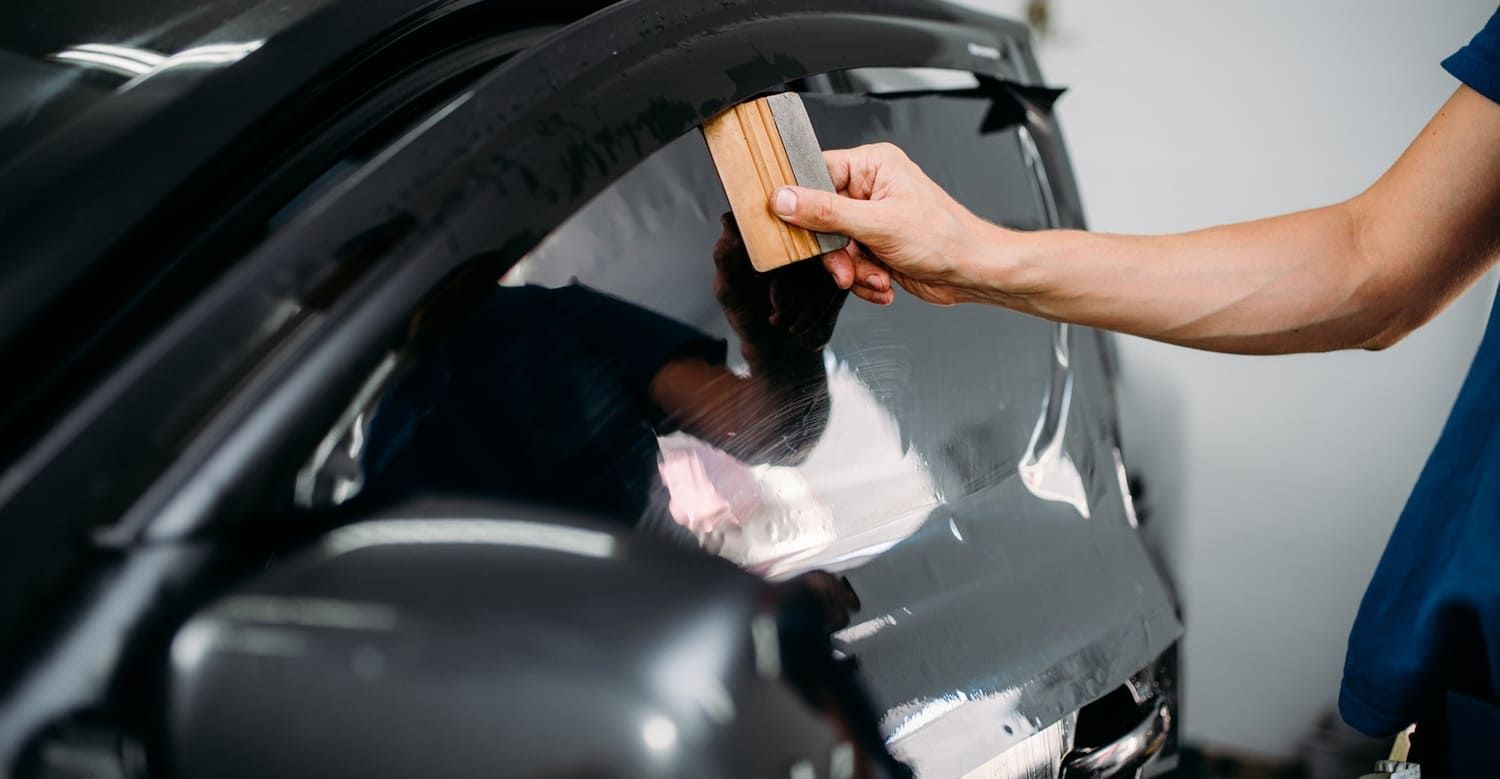
installation quality determines how it looks, how long it lasts, and whether it ends up compliant. Professional installers measure, cut, shrink, and apply film to fit complex glass shapes without gaps, peeling edges, or bubbles. They also understand how to avoid interfering with defroster lines, sensors, and antenna elements that may be embedded in the glass.
For compliance, professional installation matters because reputable shops can help you choose a shade that matches South Carolina tint laws, then verify results with a meter. They can also guide you away from common mistakes such as applying an overly tall windshield strip or mixing shades that make the vehicle look uneven and attract attention.
What to expect from a compliance-focused tint appointment:
- Discussion of your vehicle type, your visibility needs, and how you use the car.
- Recommendation of a legal VLT for front windows and the right approach for rear windows.
- Selection of a film with strong heat rejection like LLumar Auto Window Tint.
- Clean installation that preserves rear defrosters and maintains optical clarity.
In short, professional tinting is not only about looks. It is about legal confidence, safety, and long-term performance.
FAQ: South Carolina tint law questions drivers ask
How are tint percentages measured in South Carolina?
They are measured as VLT using a tint meter that reads how much visible light passes through the glass and film together.
What does 35 percent tint mean?
It means the window system allows about 35 percent of visible light through. Lower numbers look darker.
Is 20 percent tint legal in SC?
It depends on the window location and your vehicle type. It may be legal on certain rear windows for some SUVs and trucks, but it can be illegal on front windows depending on the state limit.
Can I tint my front windshield in South Carolina?
Most drivers are limited to a visor strip at the top of the windshield. Full windshield tint is restricted except for specific legal allowances.
How tall can the windshield visor strip be in SC?
South Carolina restricts windshield tint to the top portion. Ask your installer to follow the current legal height limit and keep it out of your line of sight.
Are darker rear windows legal in South Carolina?
Often yes, especially on SUVs and trucks, but sedans can have stricter rear limits. The key is the final VLT for your vehicle type.
Does factory privacy glass count as tint?
Yes. If you add film on top of privacy glass, the final VLT becomes darker and can cross the legal threshold quickly.
Will I fail an inspection because of window tint?
South Carolina does not treat tint the same way every state treats inspections, but illegal tint can still result in citations and may be flagged during safety related checks. The safest approach is to stay compliant.
What are the penalties for illegal window tint in South Carolina?
Penalties can include a citation, a fine, and the requirement to remove or replace the tint. Repeat issues can lead to more expense and hassle.
Can police test my tint on the spot?
Yes. An officer can use a handheld meter during a traffic stop to check VLT.
Does darker tint always block more heat?
No. Film technology matters. A lighter ceramic film can reject more heat than a darker low quality film.
Is ceramic tint worth it in Greenville SC?
For many drivers, yes. Ceramic tint improves heat rejection and comfort in South Carolina summers while allowing you to choose a compliant VLT.
Will tint reduce glare at night?
Tint can reduce headlight glare, but very dark tint can also reduce your ability to see hazards on unlit roads. Choose a shade that fits your driving habits.
Can tint affect my phone, GPS, or radio signals?
Some films can, depending on construction. Ceramic films are often chosen to reduce the risk of signal interference while still providing strong performance.
How do I choose a compliant shade that still blocks heat?
Start with the legal VLT limits for your vehicle, then choose a high performance film like LLumar Auto Window Tint. Masters Car Stereo & Tint can recommend a legal shade and film option that balances heat rejection, visibility, and compliance.
Conclusion
South Carolina tint laws come down to one core idea: VLT percentage determines how dark your windows can be, and the legal limits vary by window location and vehicle type. If you want to avoid fines and rework, keep your windshield tint to a compliant visor strip, choose a legal shade for your front side windows, and confirm how rear tint rules apply to your sedan, SUV, or truck. Remember that heat protection does not require the darkest film. High quality ceramic technology can deliver strong comfort improvements even at lighter, compliant VLT levels.
If you are looking for legal window tint in
Greenville SC that still delivers excellent heat rejection and clarity,
contact Masters Car Stereo & Tint for a
free estimate. Our team installs
LLumar Auto Window Tint to help you stay fully compliant with South Carolina tint regulations while upgrading comfort, UV protection, and driving enjoyment.