
How Much Does Car Window Tint Cost for a Sedan vs SUV?
Window tint pricing is one of the most common questions we hear from drivers in Greenville, SC, especially when you are comparing a sedan to an SUV and trying to budget accurately. Costs vary because vehicle types have different amounts of glass, different window shapes, and different installation complexity. A sedan might have fewer square feet of tint film and simpler door glass, while an SUV can have larger windows, additional quarter glass, and sometimes a more complex rear hatch area. Add in choices like film technology, heat rejection goals, and warranty coverage, and the range can feel confusing. Understanding the real reasons behind the price difference helps you avoid two costly
mistakes. The first is overpaying for a film grade you do not need. The second is choosing a low cost option that looks fine at first but performs poorly, fades, or bubbles over time. In this 2026 guide, we break down what drivers should expect.
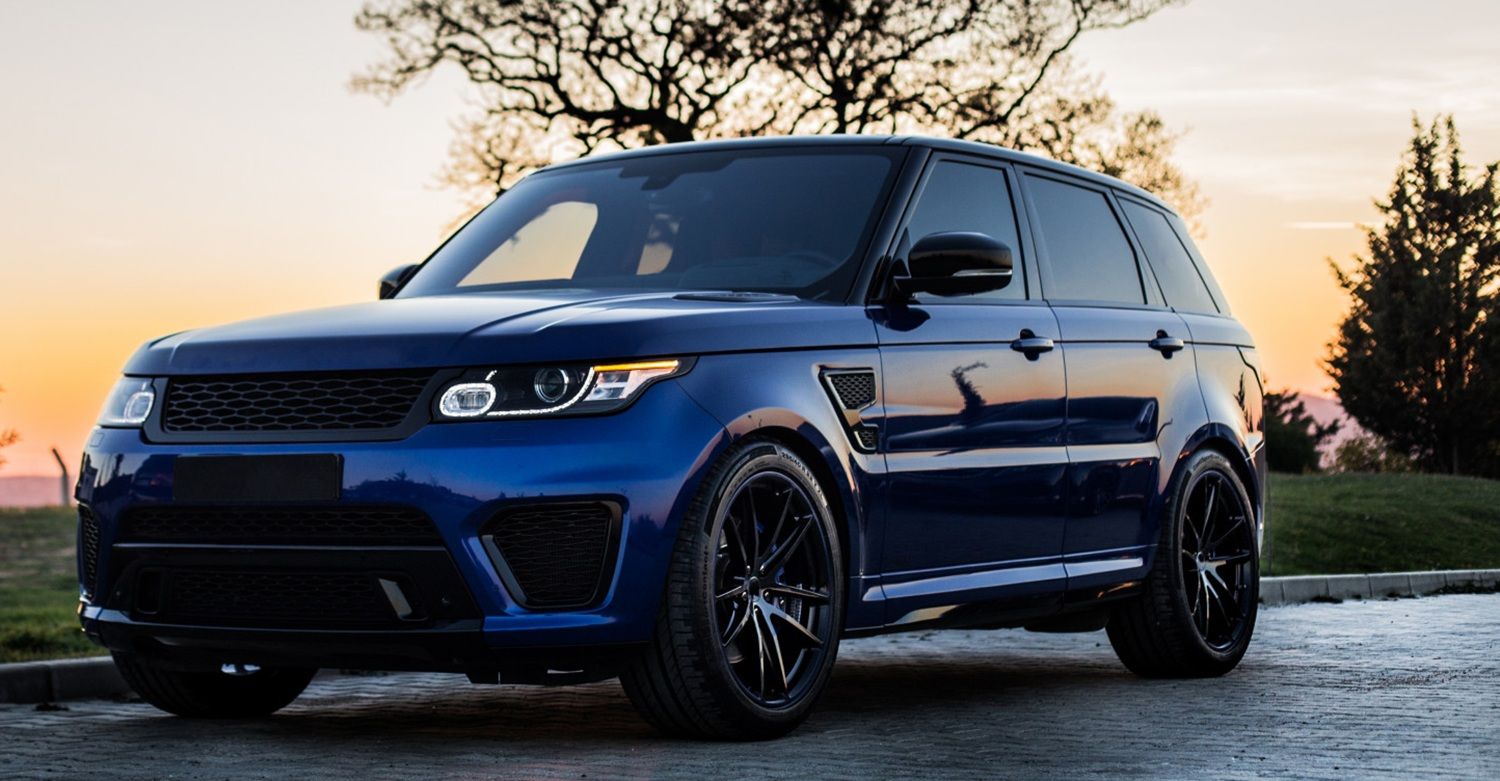
Table of Contents
- Key factors that influence sedan vs SUV tint pricing
- Glass area, window count, and installation complexity
- Dyed, carbon, ceramic, and nano ceramic film costs
- How heat rejection, UV, and clarity affect tiers
- Florida heat vs South Carolina climate realities
- Pro install vs low cost alternatives and value
- Warranties, lifespan, and maintenance expectations
- FAQ
- Conclusion and CTA
1. Key factors that influence sedan vs SUV tint pricing
If you are searching for car window tint cost sedan vs SUV, the answer is not a single number. Pricing is a combination of materials, labor, and the level of performance you want. Sedans and SUVs use the same core film technologies, but the job size and complexity usually differ, which is why SUV window tint pricing is often higher.
The most important cost drivers include total glass area, the number of windows, the film type, the tint shade you choose, and how detailed the installation needs to be. Some vehicles have frameless doors, tight seals, and complex rear glass curvature. Those details can add labor time even if the total number of windows is similar. On top of that,
premium films cost more because they provide better heat rejection, higher clarity, stronger UV protection, and better long term durability.
In 2026, drivers are also more performance focused. Many want heat reduction without going extremely dark, and that usually points toward ceramic or nano ceramic options. You can often choose a lighter shade with a higher performing film and still feel a major comfort difference. This is a common reason the final quote changes between two vehicles that seem similar at first glance.
| Pricing factor | Why it changes cost | More common impact |
|---|---|---|
| Total glass area | More film material and more labor time | SUVs often higher |
| Window count | More edges and more cuts per vehicle | SUVs often higher |
| Rear glass shape | Curved glass can take more time to shrink and install | Varies by model |
| Film technology | Higher performance films cost more per square foot | Both types |
| Warranty and brand | Premium lines offer stronger coverage and stability | Both types |
2. Differences in glass area, window count, and complexity
The simplest reason SUVs often cost more is that they usually have more glass. Many SUVs have larger rear side windows, additional quarter windows behind the rear doors, and bigger rear hatches. Even when a sedan and SUV both have four door windows plus a rear windshield, the SUV glass is often larger and takes more film.
Installation complexity matters too. A rear hatch window on an SUV may have deeper curvature, embedded defroster lines, and tighter access. That can increase labor time. Some SUVs also have more pronounced dot matrix borders, which can affect how close the film can be tucked. These details are why two SUVs can price differently even when the film type is the same.
For budgeting, it helps to think in categories rather than guessing by body style. A compact SUV might be close to a mid size sedan. A full size SUV with multiple quarter windows can be a larger job. If you want an accurate quote, the shop should identify your exact model and confirm which glass is included.
| Vehicle type | Typical window setup | What adds cost | Estimated install time range |
|---|---|---|---|
| Sedan | 4 doors plus rear windshield | Curved rear glass, tight seals | 2 to 4 hours |
| Compact SUV | 4 doors, cargo glass, rear hatch | Extra glass and hatch curvature | 3 to 5 hours |
| Mid or full size SUV | More cargo glass and quarter windows | More panels and more film area | 4 to 6 hours |
3. Tint film technologies and how they change price
Film technology is the second major driver of sedan window tint cost and SUV window tint pricing. In general, the higher the performance, the higher the price per square foot. The good news is that premium films often allow you to choose a lighter shade and still achieve strong comfort benefits, which can support better night visibility and a cleaner look.
Dyed film is usually the entry level choice. It darkens the glass and can reduce some glare, but heat rejection is limited compared to more advanced films. Dyed films can also be more likely to fade or change color over time, especially in strong sun exposure.
Carbon film is often a middle tier option with improved appearance and better stability. It can reject more heat than dyed film and tends to hold color better. Many drivers choose carbon when they want a nicer look and moderate heat control at a reasonable price.
Ceramic film is a premium choice designed for high heat rejection and strong UV protection with excellent clarity.
Ceramic is popular in Greenville SC window tint projects because it helps reduce cabin heat and sun fatigue during the long, humid summer season without forcing you into extremely dark shades.
Nano ceramic film is an advanced ceramic category that can push performance further, especially in infrared heat rejection. It is often the top tier option for drivers who want the best comfort and a high end feel.
| Film type | Typical price tier | Heat reduction focus | UV protection | Best fit |
|---|---|---|---|---|
| Dyed | Low | Low to moderate | Good | Appearance first budgets |
| Carbon | Mid | Moderate | Good to strong | Balanced value |
| Ceramic | High | High | Strong | Comfort and clarity priority |
| Nano ceramic | Highest | Very high | Strong | Maximum performance seekers |
4. How heat rejection, UV protection, and clarity shape tiers
When you compare quotes, it is easy to focus only on price. A better approach is to compare performance. In 2026, many drivers want window tint for three main reasons. They want less heat, less glare, and better UV protection. The film tier determines how well the tint performs in each area and how it looks over time.
Higher tiers usually provide higher infrared heat rejection. That means less heat entering the cabin even when the film is not very dark. This is especially useful for drivers who want a lighter shade for night visibility or who prefer a factory style appearance. Clarity is also a premium feature. High quality ceramic and nano ceramic films are designed to reduce haze and maintain a clean view through the glass.
UV protection is a major value point, especially for drivers who spend time commuting or driving for work. UV exposure can contribute to skin damage and interior fading. Premium film lines often emphasize consistent UV blocking and stability over time. This is where a reputable brand like LLumar auto window tint is valuable. The film is engineered for long term performance, not just a short term look.
| Cost tier | What you usually get | Who it is best for | Common regret to avoid |
|---|---|---|---|
| Entry | Basic shading and moderate glare reduction | Budget focused drivers | Choosing too dark to chase comfort |
| Mid | Better looks, improved stability, some heat control | Drivers wanting balanced value | Expecting premium heat rejection |
| Premium | High heat rejection, strong UV, high clarity | Comfort and quality priority | Not verifying warranty and brand |
| Top | Maximum IR performance and best clarity | Drivers who want the best | Paying for performance you do not need |
5. Florida style heat demands vs South Carolina climate
You will often see tint discussions online that sound like they are written for Florida or Arizona. Those climates are hotter and more intense, but South Carolina still has long summers with high humidity, strong sun, and plenty of time spent in stop and go traffic. In Greenville, heat buildup can be significant, especially when your car sits in a parking lot. That is why ceramic and nano ceramic films have become more popular. They provide heat control that helps you feel the difference when you first open the door and when you drive during peak sun hours.
The main difference is that Greenville drivers may have more seasonal variability. Winter mornings can be cool and summer afternoons can be hot. The best tint choice balances year round comfort without creating issues for night driving. If you drive on darker roads outside the city or deal with heavy rain season visibility, a slightly lighter shade paired with a higher performance film can be a smart choice.
When you compare Florida style heat demands versus South Carolina climate, the take away is that you still benefit from high performance film, but you should choose the shade with local driving conditions in mind. Your budget and comfort goals should guide the film tier, while your night visibility needs should guide how dark you go.
6. Professional installation vs low cost alternatives
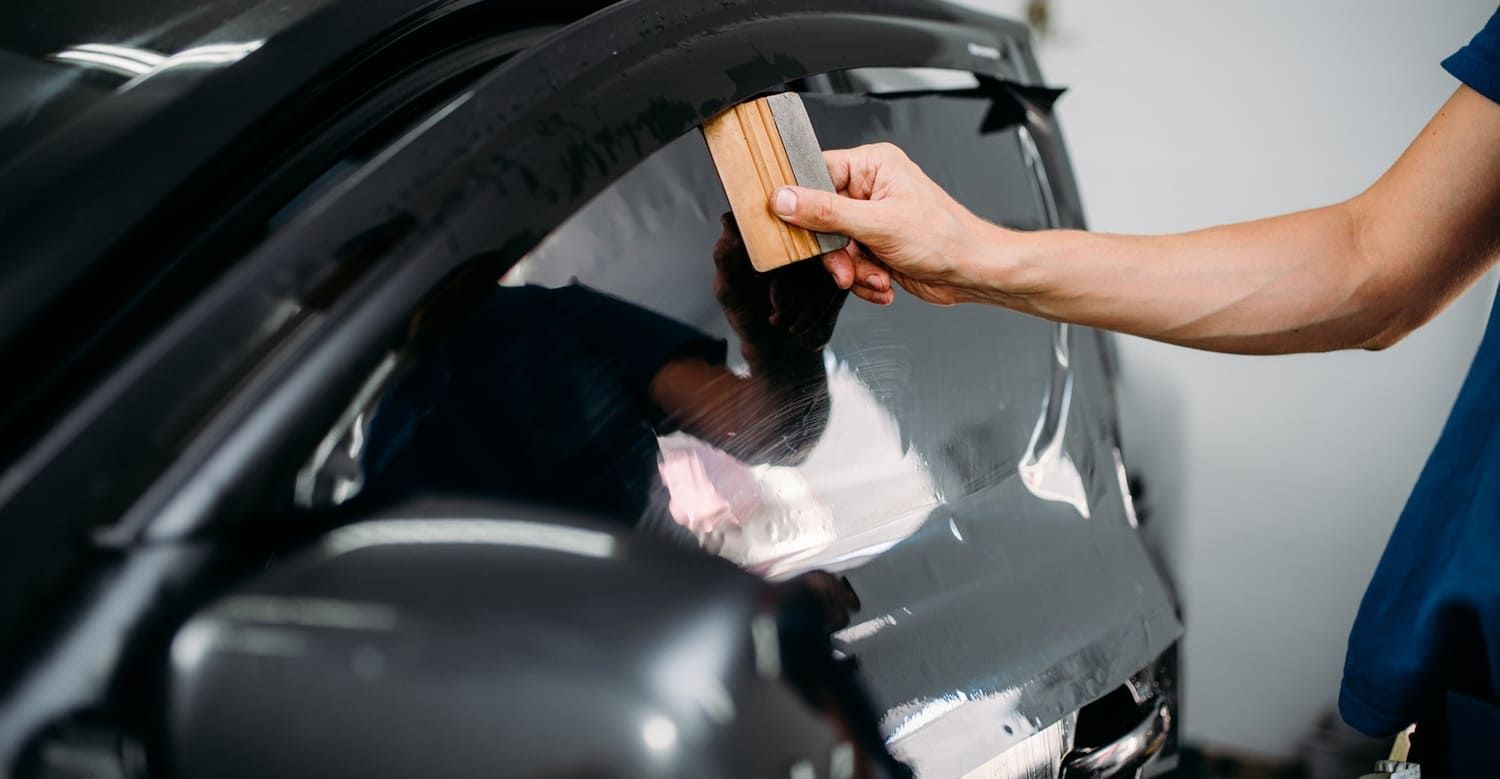
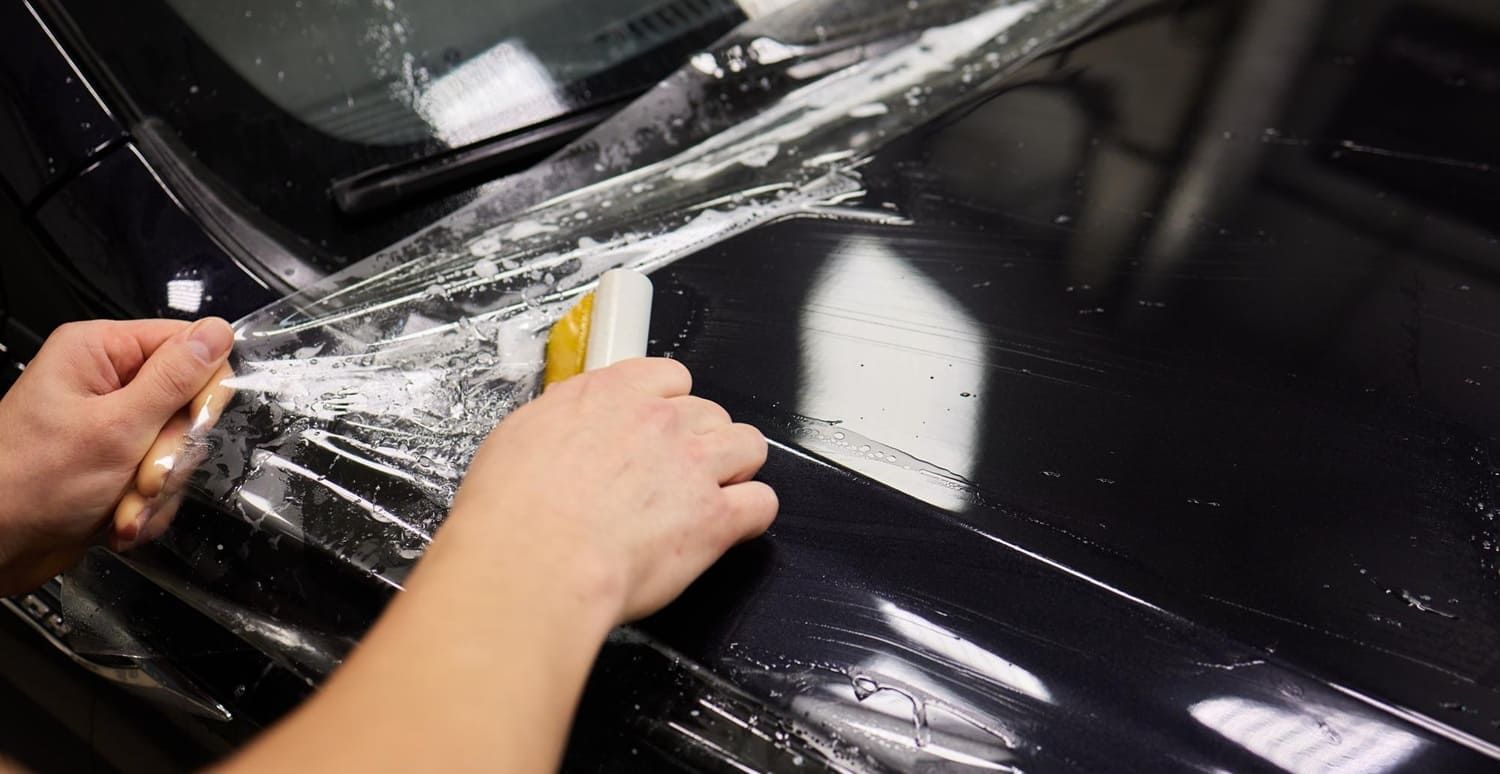
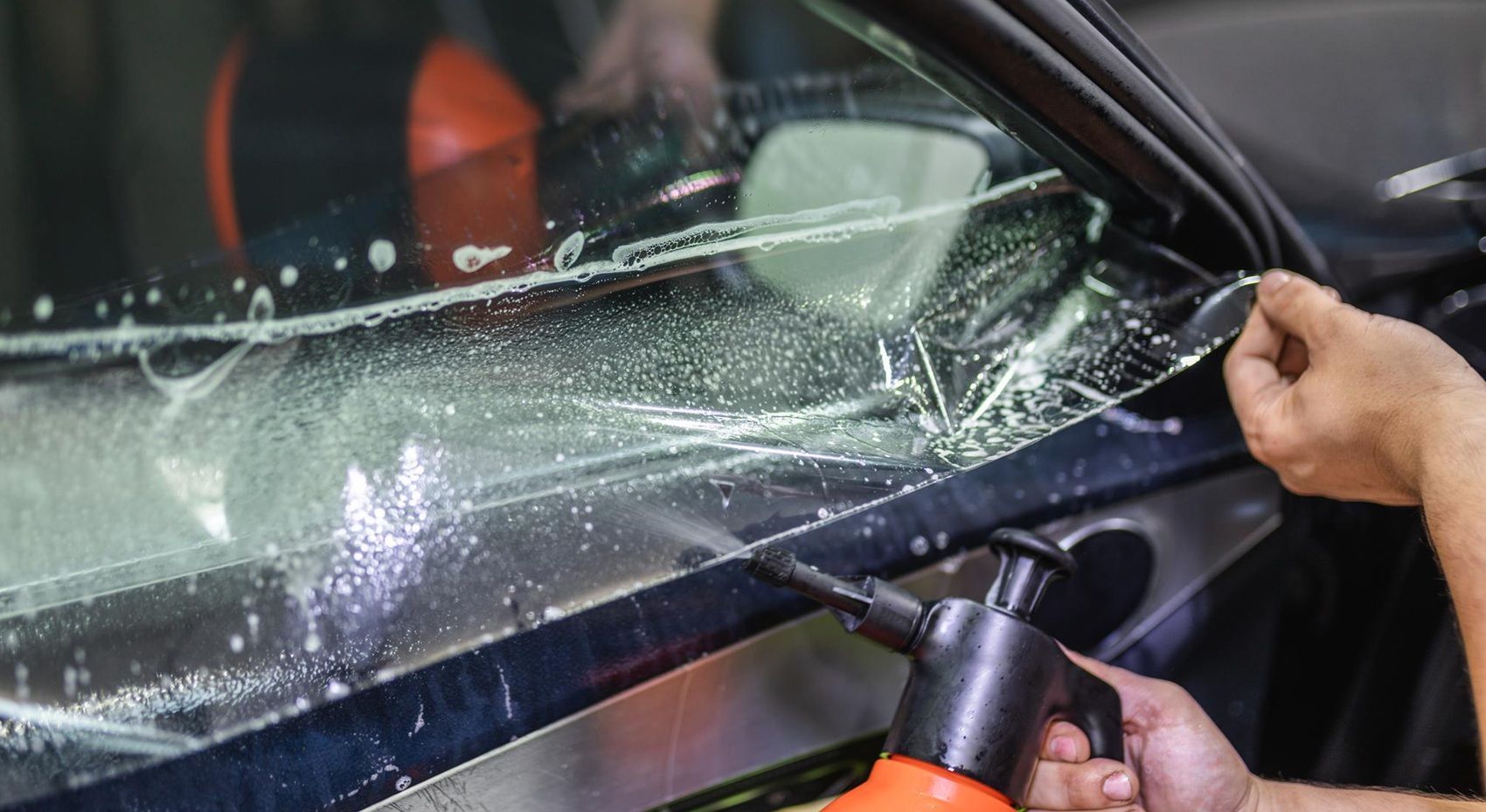
Two quotes can look similar on paper but deliver very different results. Professional installation matters because tint is a precision product. It needs a clean environment, careful preparation, and skilled application to avoid contamination, lifting edges, and distortion. Low cost alternatives often cut corners on film quality or installation time. That can lead to bubbles, peeling, and a hazy view through the glass. Those problems are not just cosmetic. They reduce visibility and can make the vehicle feel lower quality.
Long term value comes from film stability, warranty support, and correct installation. A lower price job that needs replacement within a few years often costs more than doing it right once. This is especially important for SUVs because the rear hatch glass is often large and curved. If the rear film fails, replacement can be more expensive than a door window.
Masters Car Stereo and Tint is positioned as a trusted local expert for high quality automotive window tint installations in Greenville, SC. For drivers comparing sedan window tint cost versus SUV window tint pricing, a professional quote should clearly explain what is included, what film line is used, what warranty applies, and what shade options are legal and practical for your driving habits.
Masters Car Stereo & Tint also installs LLumar Auto Window Tint products, which are known for performance and consistency. Pairing a reputable film with a skilled install is the best way to protect your investment.
7. Warranties, lifespan expectations, and maintenance
Warranty coverage is part of the price point. Premium films typically come with stronger warranties against bubbling, peeling, and color change. The exact coverage depends on the film line and the installer. When you compare tiers, ask what the warranty covers, how claims are handled, and whether the warranty is transferable if you sell the vehicle.
Lifespan depends on film quality, exposure, and maintenance. A high quality film installed correctly can last many years. A lower tier film may look fine at first but fade or develop issues faster. Maintenance matters too. Avoid abrasive cleaners and give the film time to cure. After installation, follow the shop guidance for when you can roll windows down and how to clean safely.
For SUVs, remember that the rear hatch window takes a lot of sun exposure and may experience more temperature swings. That makes film quality and warranty support even more important. A well chosen film tier can keep your SUV looking consistent and performing well.
FAQ
Do SUVs always cost more to tint than sedans?
Often yes because SUVs usually have more glass area and more windows, but some compact SUVs can be close to sedans. Model details matter.
How much does sedan window tint cost in 2026?
Pricing varies by film type and vehicle specifics. A shop quote should list the film line and coverage to explain the range.
How much does SUV window tint pricing change with size?
Larger SUVs with cargo glass and extra quarter windows often cost more due to additional film and labor time.
Does a panoramic roof change tint cost?
Yes. Panoramic roofs can add significant glass area and may require specialized film for heat control and clarity.
Is ceramic tint more expensive than carbon tint?
Typically yes. Ceramic and nano ceramic films cost more but often provide stronger heat rejection and better clarity.
Does tint cost change with the shade percentage?
Shade alone usually does not change price much, but certain specialty shades or windshield options can. Film technology is the bigger driver.
What are the legal tint limits in South Carolina?
Limits vary by window position and vehicle type. Confirm current rules before choosing a shade to avoid compliance issues.
Are warranties different by film type?
Often yes. Premium lines usually offer stronger protection against fading and bubbling. Ask for details in writing.
How do I choose the right tint for a sedan vs an SUV?
Start with how much heat reduction you want, how often you drive at night, and your privacy goals, then pick the film tier and shade that fits.
Is LLumar auto window tint worth it?
Many drivers choose LLumar for reliable performance, good clarity, and long term durability, especially in ceramic lines.
Conclusion and CTA
When comparing sedan window tint cost and SUV window tint pricing in
Greenville, SC, the main differences come down to glass area, window count, and installation complexity. Film technology then determines how much heat rejection, UV protection, and clarity you get at each price tier. In 2026, many drivers choose ceramic or nano ceramic because they want strong comfort benefits without going extremely dark.
If you want a clear, accurate quote for your specific vehicle,
contact Masters Car Stereo & Tint in
Greenville, SC for expert guidance,
professional installation of
LLumar Auto Window Tint, and a
free estimate for window tint solutions tailored to your sedan or SUV and your comfort needs.