Does Ceramic Tint Reduce Glare Enough for Night Driving?
Night driving glare is a real problem for many drivers in Greenville, Easley, Simpsonville, Mauldin, Travelers Rest, and across Upstate South Carolina. Bright LED headlights, HID lamps, poorly aimed beams, and occasional high beams can create eye strain, slow visual recovery, and make it harder to see lane markings, pedestrians, and road hazards. Ceramic window tint can help in the right situation, but it is not a magic shield that removes every source of glare. Unlike dyed or some lower grade films, ceramic window tint uses nano-ceramic particles to reject heat and infrared energy without relying on heavy darkness or adding the hazy look that can hurt nighttime clarity. That matters because South Carolina tint laws limit how dark your side and rear glass can be, which means realistic glare reduction depends on the VLT you choose, the optical quality of the film, legal compliance, and your own night vision sensitivity. For many vehicle owners, ceramic tint is a smart upgrade when selected carefully and installed professionally.
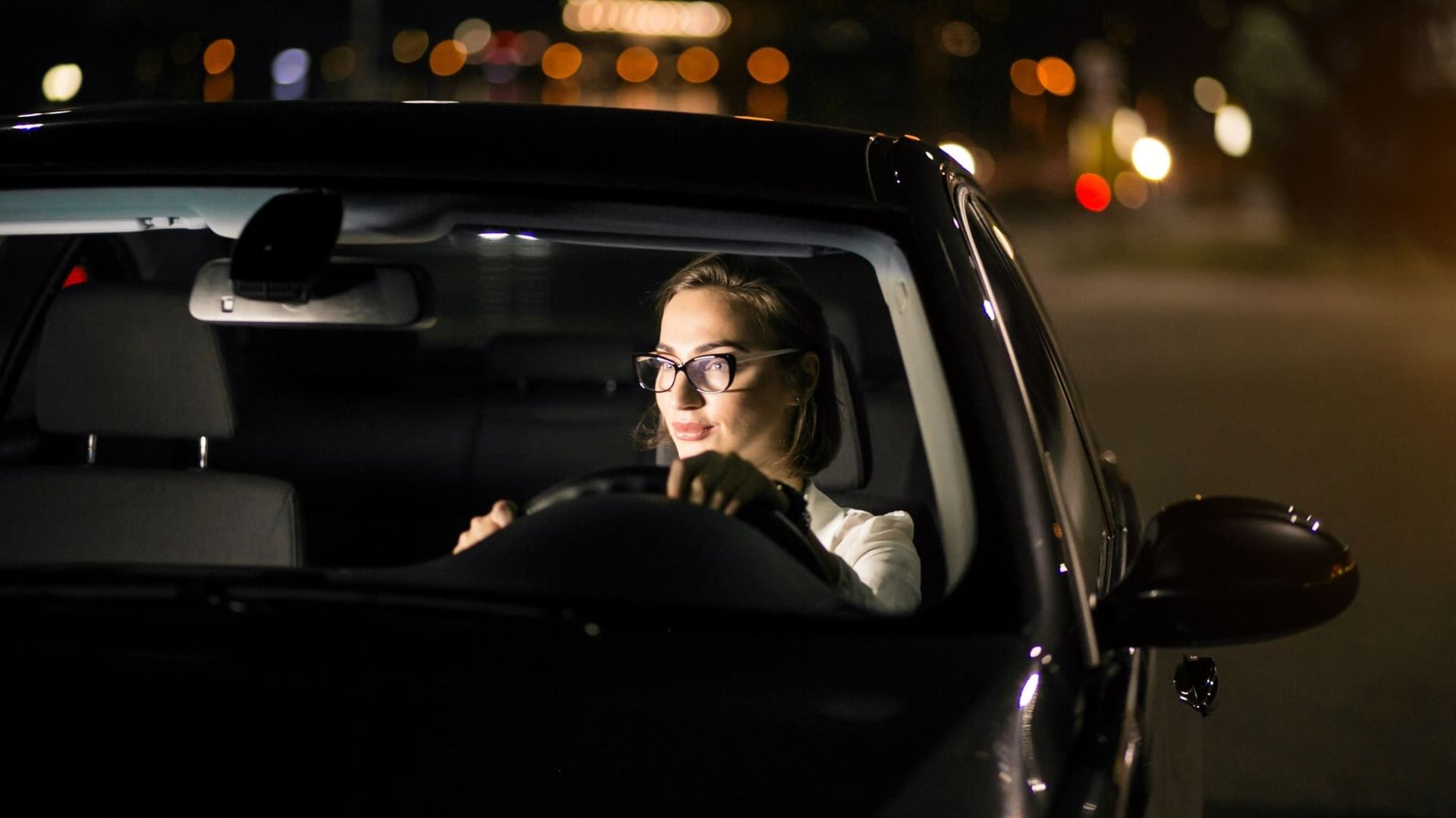
Table of Contents
- What Causes Glare While Driving at Night
- How Ceramic Window Tint Works to Reduce Glare
- Ceramic Tint vs Dyed and Carbon Film for Night Driving
- South Carolina Window Tint Laws and What They Mean for Night Visibility
- How Much Glare Reduction You Can Realistically Expect at Night
- Choosing the Right VLT Percentage for Night Driving Safety
- Professional Installation vs DIY: Why It Matters for Optical Clarity at Night
- FAQ
What Causes Glare While Driving at Night
Night driving glare happens when intense light overwhelms your eyes faster than they can adapt. In practical terms, that means headlights from oncoming traffic, reflections from wet pavement, bright signs, and internal reflections on the glass all compete with the lower light conditions around you.
LED and HID headlights are a major source of discomfort
Modern LED and HID headlights often appear harsher than older halogen lights because they are brighter, whiter, and more concentrated. Even when they are technically legal, they can feel blinding on dark roads in the Upstate, especially on rural stretches around Travelers Rest or suburban corridors in Simpsonville and Mauldin.
High beams and misaligned headlights make glare worse
High beams obviously increase glare, but poorly aimed low beams can be just as frustrating. Trucks and SUVs also place headlights higher than passenger cars, which can push more direct light into mirrors and side glass.
Driver factors matter too
Age, dry eyes, astigmatism, dirty windshields, and scratched glass can all increase the way glare is perceived. This is why one driver may say a film is perfect at night while another feels it is too dark. Ceramic window tint can reduce harshness and improve comfort, but it must work with your vision, not against it.
How Ceramic Window Tint Works to Reduce Glare
Ceramic window tint reduces glare indirectly by managing light transmission and improving visual comfort without depending only on extreme darkness. The best ceramic films are engineered for optical clarity, which is essential for drivers who want the best tint for night driving.
Nano-ceramic particles help reject heat without heavy darkening
Unlike dyed films that primarily darken glass, ceramic window tint uses advanced non-metallic ceramic particles to block significant heat and infrared radiation. That allows a driver to choose a lighter, more night friendly film while still gaining comfort benefits during the day. In many cases, this is the real advantage of ceramic tint. You can often avoid going excessively dark just to get performance.
Less harsh light can mean less perceived glare
A quality ceramic film may soften the intensity of incoming light enough to reduce eye fatigue, particularly through side windows and rear glass where headlight splash and mirror reflections can be distracting. It does not fully block LED headlight glare, but it can help reduce the uncomfortable sharpness many drivers complain about.
Optical clarity is critical
Good ceramic film should look clean and stable, not cloudy, grainy, or distorted. Poor clarity can make night driving worse even if the film is marketed as premium. This is one reason LLumar ceramic tint is often chosen by drivers who care about both glare control and clear nighttime visibility. High quality film, paired with the right VLT, gives you the best chance of balancing comfort with safety.
Ceramic Tint vs Dyed and Carbon Film for Night Driving
For night driving, ceramic tint is usually the strongest all around choice when the goal is to reduce glare while preserving visibility. Dyed film is the budget option. Carbon sits in the middle. The biggest differences show up in clarity, longevity, and how much performance you get without needing a very dark shade.
| Tint Type | Night Glare Reduction | Heat Rejection | UV Protection | Optical Clarity | Durability / Fade Resistance | Signal Interference | Price Range |
|---|---|---|---|---|---|---|---|
| Ceramic Tint | Best overall balance when paired with appropriate VLT | Excellent | Excellent | Excellent with premium film | Excellent | No meaningful interference | Highest |
| Carbon Tint | Good, but usually less refined than ceramic | Good | Very good | Good to very good | Good | No meaningful interference | Mid-range |
| Dyed Tint | Limited, often depends on darkness more than film quality | Basic to moderate | Moderate to good | Fair to good | Lower, may fade over time | No meaningful interference | Lowest |
Why ceramic usually wins for night drivers
Ceramic film delivers strong heat rejection and UV protection even in lighter shades, so drivers do not need to chase extreme darkness to feel a difference. That matters in Greenville, SC, where drivers want comfort during hot sunny days without sacrificing visibility during rainy or dark commutes home.
Where carbon fits
Carbon film can be a solid option if budget matters and you still want a step up from dyed tint. It often provides better fade resistance and appearance than entry level film. Still, for drivers especially concerned about headlight glare and optical clarity, ceramic generally offers the better long term value.
When dyed tint falls short
Dyed tint may look darker for less money, but darker alone is not the same as smarter glare control. If the film quality is mediocre or the shade is too aggressive, it can hurt night vision sooner than it helps.
South Carolina Window Tint Laws and What They Mean for Night Visibility
South Carolina tint laws shape how much glare reduction you can realistically expect because they limit how dark most legal installations can be. For sedans, coupes, SUVs, and trucks, drivers should always confirm the current legal requirements for their exact vehicle type and glass location before installation. In general, South Carolina does not allow a full dark windshield tint, and front side windows are restricted to lighter legal ranges than many drivers assume.
Why the law matters for nighttime safety
The legal limit exists partly because darker tint reduces visible light entering the vehicle. During the day that may feel comfortable. At night it can reduce contrast and make hazards harder to detect. In other words, the darkest legal tint is not automatically the safest tint for night driving.
Windshield rules are especially important
Many drivers searching reduce headlight glare want to tint the windshield. South Carolina law generally limits what can be applied there, often to a non-reflective strip at the top rather than a full dark windshield film. Even where specialty windshield films are discussed, drivers should verify current legal compliance and product specifications before moving forward.
What drivers in Greenville should take from this
If your goal is better nighttime comfort, staying legal often leads to a better outcome anyway. A moderate, high quality ceramic film on the side windows usually gives a more balanced result than pushing toward the darkest allowed option. This is where an experienced shop can help match South Carolina tint laws with your visibility needs.
How Much Glare Reduction You Can Realistically Expect at Night
Here is the direct answer most drivers want: ceramic window tint can reduce headlight glare at night, but it will not block it completely. Expect improvement in comfort and harshness reduction, not total elimination of bright lights.
What ceramic tint can do well
A premium ceramic film can reduce the intensity of side glare, cut some mirror splash, and make your cabin feel less visually fatiguing. Drivers often report that the light feels less sharp and less distracting. This is especially useful during daily commuting on busy roads around Greenville and Easley where constant oncoming traffic is common.
What ceramic tint cannot do
Ceramic tint cannot compensate for severely misaligned headlights from other vehicles, dirty windshields, eye conditions, or overly dark film choices on your own vehicle. It also cannot turn a 5% film into a safe nighttime option just because it is ceramic.
What determines your results
- VLT percentage chosen
- Film quality and optical clarity
- Professional installation quality
- Your windshield condition and interior reflections
- Your personal night vision sensitivity
The key takeaway is simple. Ceramic tint is effective when expectations are realistic. It is best viewed as part of a comfort and safety strategy, not a cure-all.
Choosing the Right VLT Percentage for Night Driving Safety
If you care about nighttime safety, VLT selection is more important than the word ceramic by itself. VLT, or visible light transmission, tells you how much light passes through the glass. Lower numbers are darker. For many drivers, the safest and smartest choice for night visibility is often lighter than they first expected.
| VLT | Night Visibility | Typical Glare Comfort | South Carolina Practicality | Best Fit |
|---|---|---|---|---|
| 5% | Poor for most night drivers | High daytime shading, but too dark for safe night use for many people | Often impractical or illegal depending on glass location | Show vehicles or very specific non-night use cases |
| 20% | Fair to limited at night | Noticeable glare softening, but may feel too dark on unlit roads | May be too dark for some legal positions | Drivers prioritizing appearance over maximum night clarity |
| 35% | Good balance for many drivers | Useful reduction in brightness with better outside visibility | Often closer to a practical legal sweet spot | Many daily commuters |
| 50% | Best night visibility among common tint choices | Milder glare reduction, but excellent clarity | Often the safest comfort-first option | Drivers sensitive to darkness or focused on nighttime safety |
Best tint for night driving often means 35% or 50%
For many vehicle owners researching window tint Greenville SC, 35% or 50% ceramic film is where comfort and safety meet. These shades can still offer meaningful heat rejection with premium products like LLumar ceramic tint while preserving clearer visibility on dark roads.
Darker is not always better
Darker tint may make bright lights seem less intense at first glance, but it also reduces your ability to see outside in low light. That tradeoff becomes obvious on rainy roads, poorly lit intersections, and backup maneuvers. If you frequently drive before sunrise or after sunset, choosing a lighter ceramic film is often the smarter move.
Professional Installation vs DIY: Why It Matters for Optical Clarity at Night
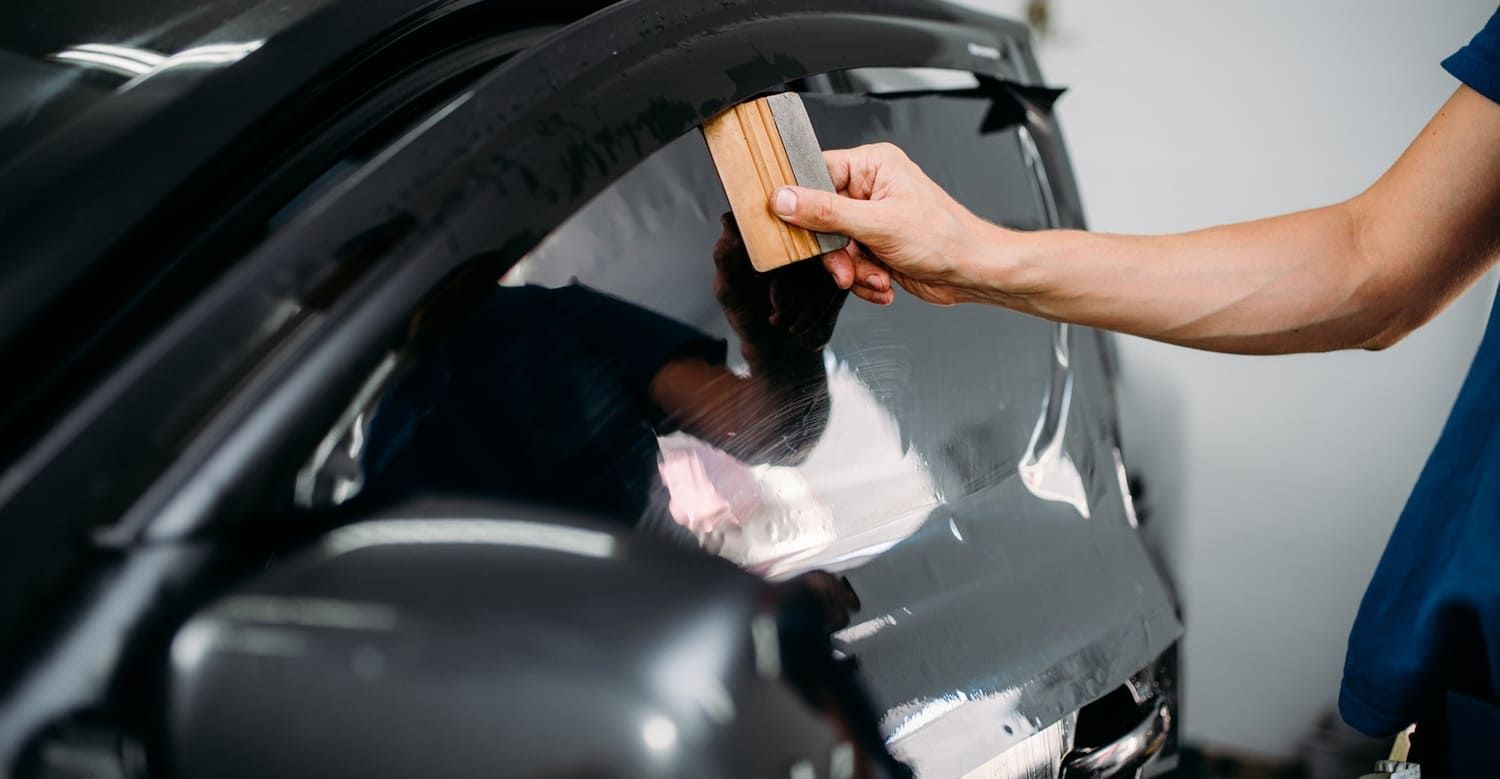
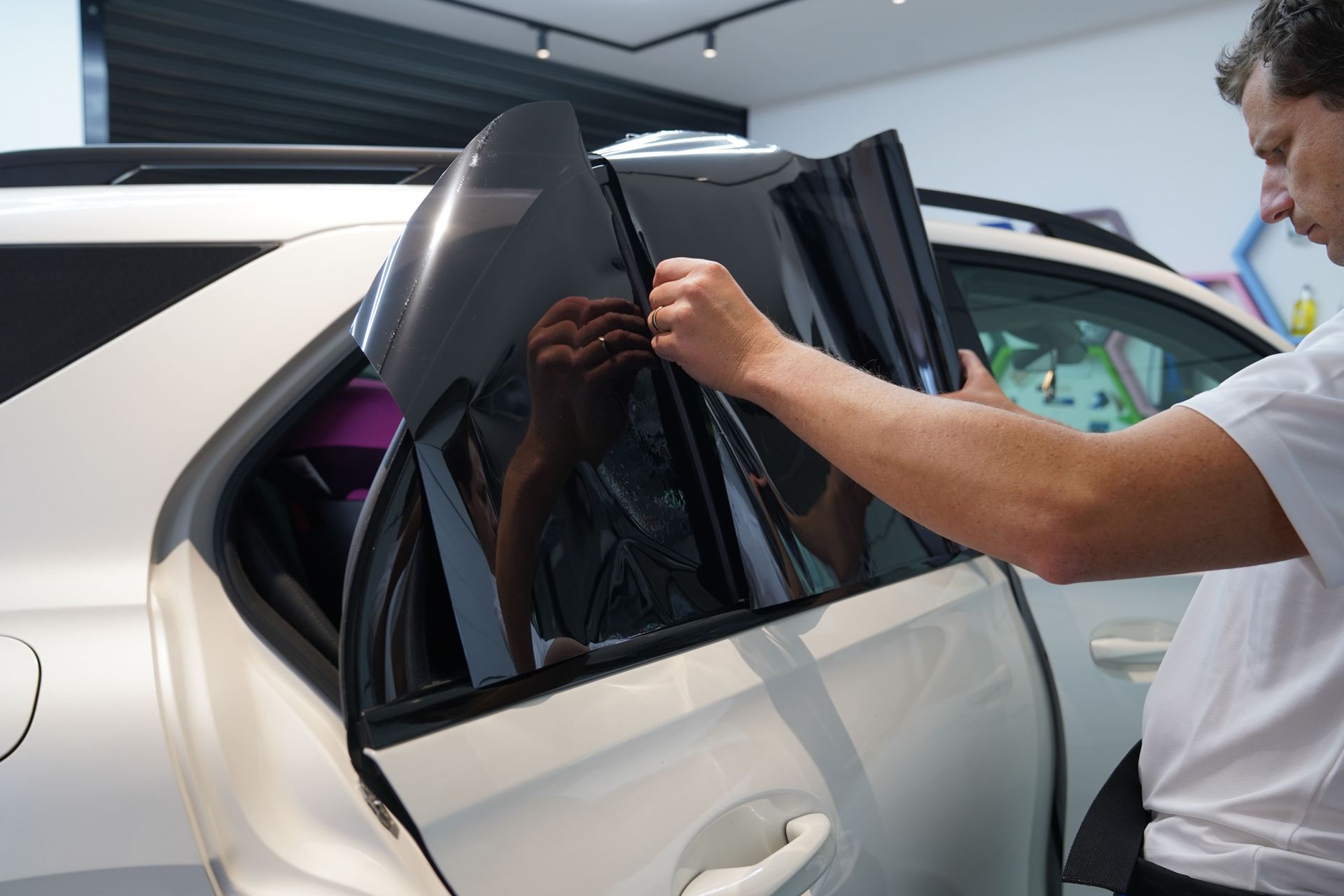
Professional installation matters more at night because every flaw becomes easier to notice in low light. Dust, contamination, edges that lift, adhesive distortion, and poor shrinking can create visual distractions that cheapen the result and reduce safety.
Clarity is not just about the film
Even excellent film can perform poorly if installed badly. A clean, precise install helps maintain optical consistency across the glass. That is especially important on side windows, rear glass, and any application where defroster lines or curved glass can complicate the finish.
Why premium products and trained installers pair well
Masters Car Stereo & Tint uses LLumar ceramic window film products, which are well known for strong heat rejection, long lasting color stability, and clear appearance when installed correctly. For drivers who want a fade-free upgrade and dependable warranty support, pairing premium LLumar film with experienced LLumar SelectPro installation helps protect both performance and appearance.
DIY is rarely ideal for drivers focused on night visibility
DIY kits may seem cost effective, but night driving exposes every shortcut. Low grade film, trapped debris, and waviness can create halos or blur around lights. If your goal is safer night driving and a refined finish, professional installation is usually the better investment.
FAQ
Does ceramic tint make it harder to see at night?
It can if you choose a shade that is too dark. A high quality ceramic film in a lighter VLT such as 35% or 50% is often easier to live with at night than a darker budget film.
What is the darkest legal tint in South Carolina?
Legal limits depend on the vehicle type and window location. Drivers should verify current South Carolina tint laws before installation because windshield, front side, and rear glass rules are not always the same.
Will ceramic tint block LED headlight glare completely?
No. Ceramic tint can reduce the harshness of bright headlights, but it will not eliminate LED headlight glare completely.
Is ceramic tint better than carbon tint for night driving?
Usually yes. Ceramic tint typically offers better optical clarity and stronger performance in lighter shades, which can make it the better choice for night driving comfort.
Can you legally tint your windshield for glare in South Carolina?
South Carolina generally restricts windshield tinting more heavily than side and rear glass. In many cases only a limited top strip is allowed, so confirm current rules before applying any windshield film.
How long does ceramic tint last?
Premium ceramic tint can last for many years when it is professionally installed and properly cared for. Product quality and warranty coverage vary by brand.
Does window tint affect Bluetooth, GPS, or radio signal?
Non-metallic ceramic and carbon films are generally chosen in part because they do not create the signal interference concerns associated with some metallic films.
What VLT percentage is best for night driving?
For many drivers, 35% or 50% offers the best balance of glare comfort and nighttime visibility. The right choice still depends on your eyes, driving routes, and legal limits.
How much does ceramic tint cost in Greenville, SC?
Pricing varies based on vehicle size, number of windows, film line, and shade selection. Premium ceramic tint costs more than dyed film, but it typically offers better comfort, durability, and clarity.
Can ceramic tint be too dark to drive safely at night?
Yes. Even the best ceramic film can become a safety problem if the VLT is too low for your vision and driving conditions.
Conclusion
So, does ceramic tint reduce glare enough for night driving? For many drivers, yes. The biggest benefit comes when you choose a high quality ceramic window tint in a night friendly VLT that stays within South Carolina tint laws and matches your own visual comfort. Ceramic film can soften harsh light, improve cabin comfort, and avoid the tradeoffs that often come with darker, lower grade film. When LLumar ceramic film is paired with expert installation, drivers get a premium combination of comfort, safety, clarity, and long term fade resistance. If you are comparing options for window tint in Greenville, SC, contact Masters Car Stereo & Tint for a free tint consultation and quote. The team can help you choose the right LLumar product for your vehicle, your commute, and your nighttime driving needs.