
PPF vs. Ceramic Coating vs. Wax: What's the Real Difference for Your Car's Paint?
If you've been researching how to protect your car's paint, you've probably run into three terms that get thrown around like they're interchangeable: paint protection film (PPF), ceramic coating, and good old-fashioned wax. They're not the same thing, and they don't do the same job — understanding the difference is the key to actually protecting your investment instead of paying for something that doesn't address what you're worried about.
This guide breaks down what each option actually does, where each one falls short, and which protection makes sense for drivers in Greenville, Easley, and the surrounding Upstate South Carolina area who want their car looking newer longer.
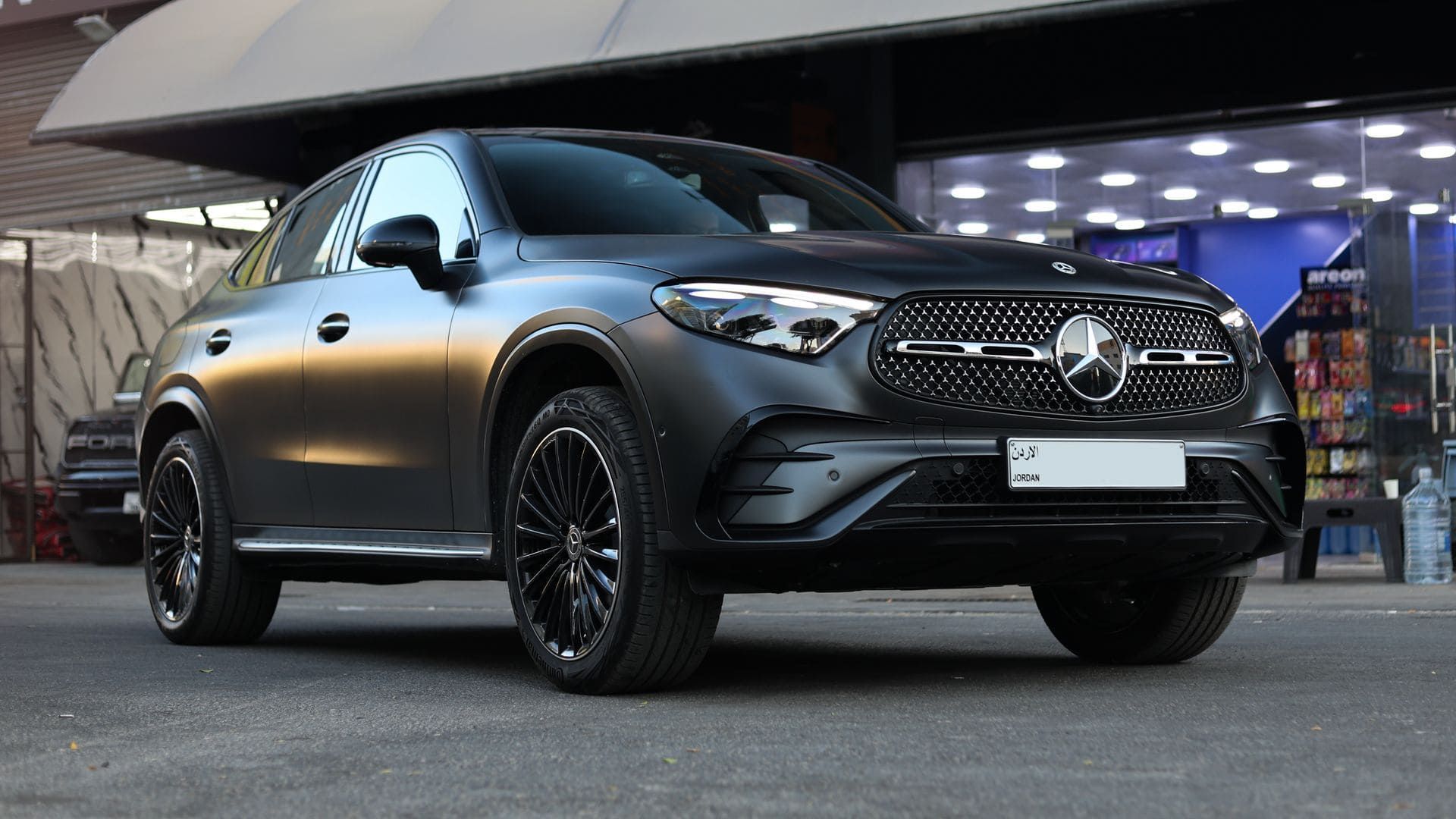
The Short Answer: Three Different Jobs
Before getting into the details, here's the simplest way to think about it: wax adds shine and light protection that needs constant reapplication, ceramic coating adds a hard, glossy chemical layer that resists water and light contaminants, and paint protection film (PPF) is a physical layer of urethane film that actually stops rocks, road debris, and scratches from reaching your paint in the first place. Only one of these three is designed to prevent physical damage — and that distinction matters a lot more than most car owners realize when they're comparing options.
What Is Car Wax?
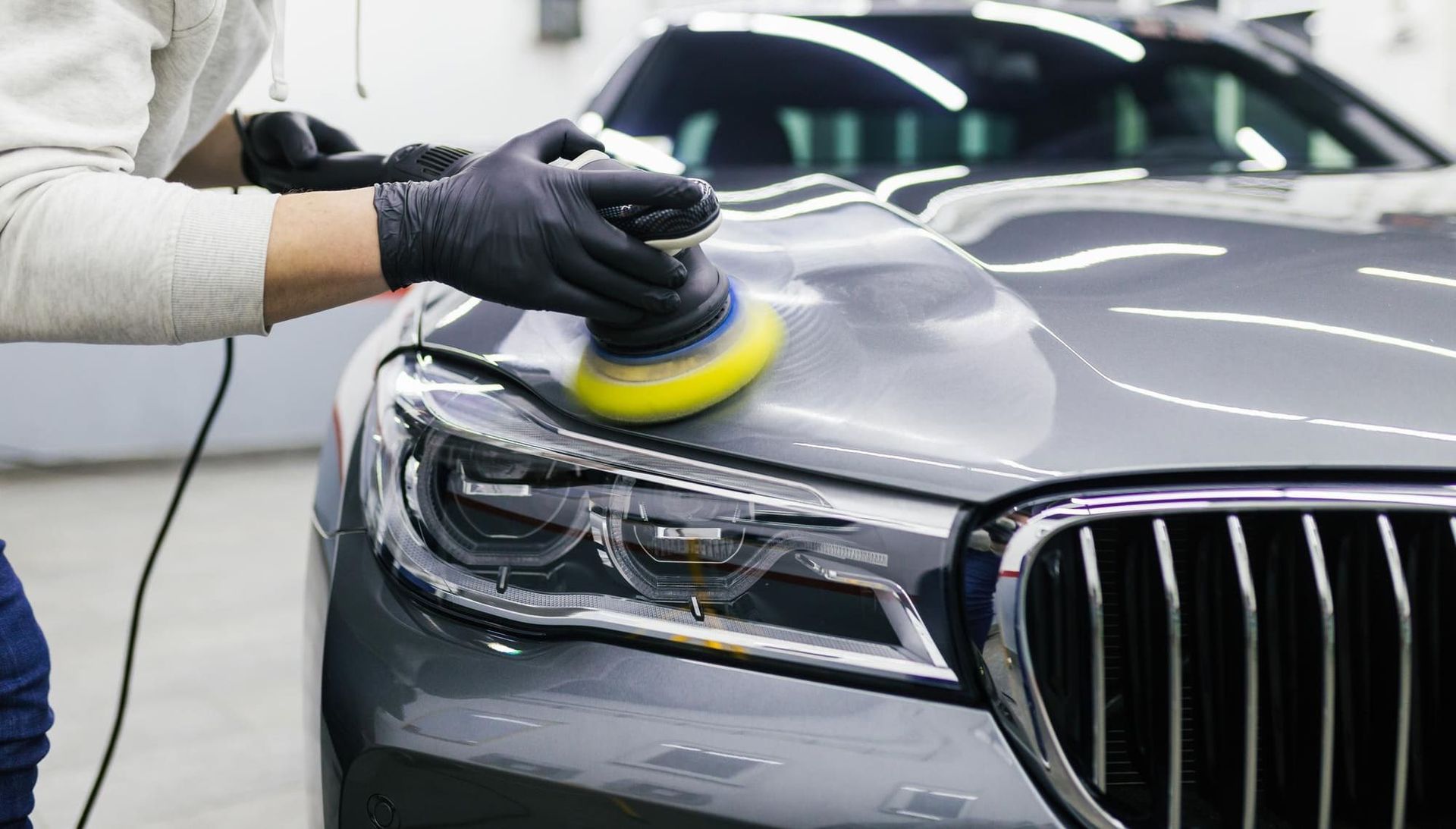
Wax is the classic, familiar option — a layer of carnauba or synthetic wax applied by hand or machine that sits on top of your clear coat.
1. What Wax Actually Does
Wax adds gloss and a temporary layer of hydrophobicity (water beading), and offers minor protection against UV fading and light environmental exposure.
2. Where Wax Falls Short
Wax breaks down quickly — often within weeks — under sun, rain, and washing. It offers essentially no protection against rock chips, scratches, or road debris, and needs to be reapplied regularly to maintain any benefit at all. It's a cosmetic product, not a protective one.
What Is Ceramic Coating?
Ceramic coating is a liquid polymer product that chemically bonds to your car's clear coat, creating a hard, glossy layer that's significantly more durable than wax.
1. What Ceramic Coating Actually Does
Ceramic coating creates a slick, hydrophobic surface that makes water, dirt, and light contaminants bead up and slide off, making the car easier to wash and keeping the paint looking glossy for a year or more, depending on the product and application.
2. Where Ceramic Coating Falls Short
Here's the part that surprises a lot of car owners: ceramic coating is a chemical layer, not a physical shield. It does very little to protect against rock chips, scratches, or the kind of road rash that comes from driving on the highway. A ceramic-coated car can still get chipped by a pebble kicked up from the car ahead of you — the coating just isn't built to absorb that kind of physical impact.
What Is Paint Protection Film (PPF)?
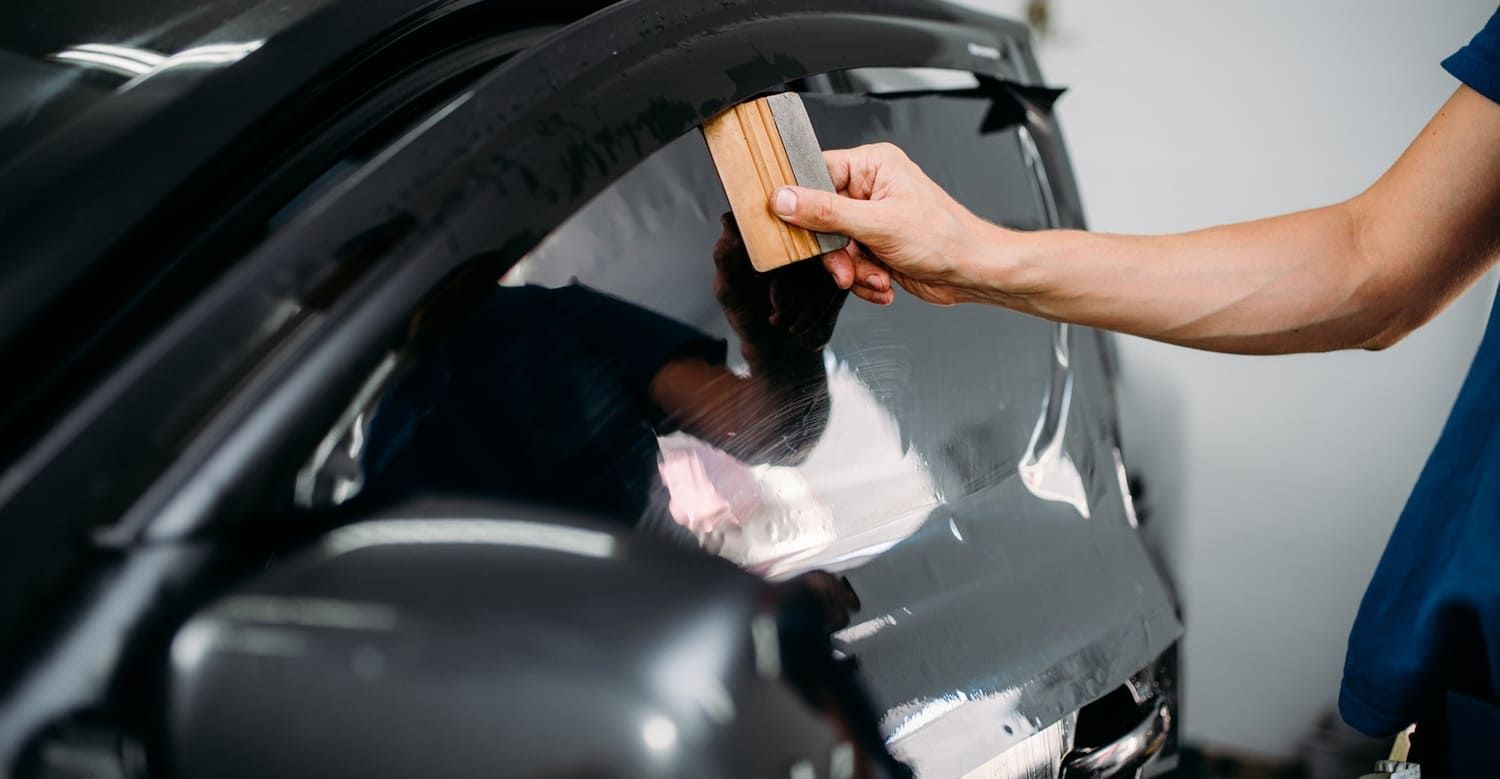
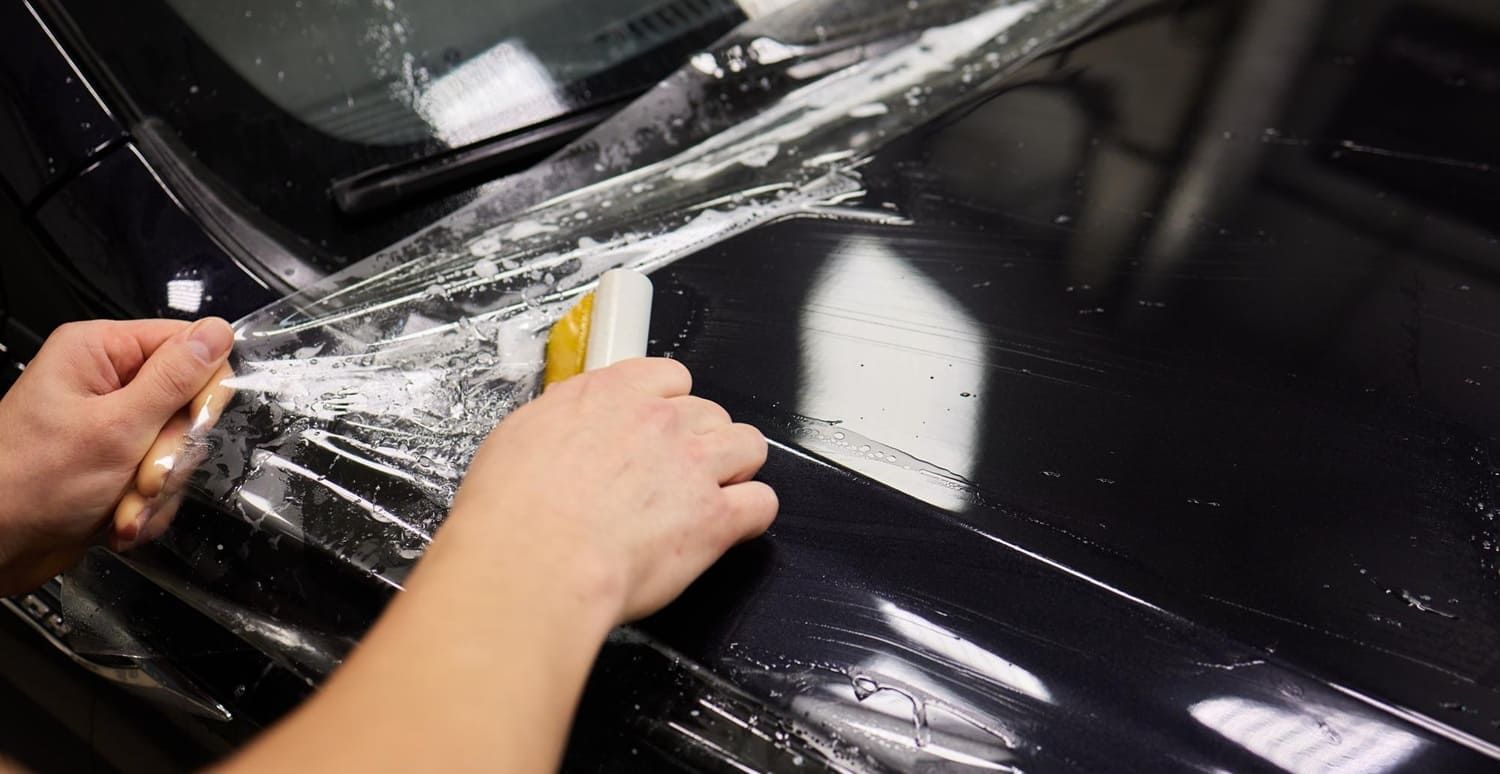
Paint protection film — sometimes called clear bra — is a thick, high-gloss, virtually invisible urethane film that's applied directly to your vehicle's paint, most commonly on the areas that take the most abuse: the hood, front bumper, mirrors, door edges and handles, rocker panels, and fenders.
1. What PPF Actually Does
Because it's a physical film rather than a chemical coating, PPF is built to absorb impact from rocks, pebbles, road debris, and winter salt and sand — the actual causes of chips and road rash. Quality PPF also includes self-healing properties, meaning light scratches and swirl marks in the film itself can disappear with heat exposure (like a warm day or hot water), keeping the surface looking flawless.
2. Where PPF Fits In
PPF is the only one of the three options engineered specifically to prevent the physical damage that actually degrades a car's paint over years of driving — the chips, scuffs, and road rash that wax and ceramic coating simply aren't built to stop.
Side-by-Side Comparison: PPF vs. Ceramic Coating vs. Wax
| Feature | Wax | Ceramic Coating | Paint Protection Film (PPF) |
|---|---|---|---|
| Type of Protection | Cosmetic layer | Chemical bonded coating | Physical urethane film |
| Protects Against Rock Chips | No | No | Yes |
| Protects Against Scratches | Minimal | Minimal | Yes |
| Self-Healing Properties | No | No | Yes (on quality film) |
| Water Beading / Hydrophobic | Light, temporary | Strong, long-lasting | Moderate (varies by film) |
| Gloss Enhancement | Yes | Yes | Yes (virtually invisible finish) |
| Typical Lifespan | Weeks to a couple months | 1–3+ years depending on product | Years, with proper care |
| Maintenance | Frequent reapplication | Occasional touch-up | Wash normally, can still wax over it |
| Best For | Quick shine before an event | Easier washing, long-lasting gloss | Real protection from road damage |
Can You Combine PPF, Ceramic Coating, and Wax?
Yes — and in a lot of cases, that's actually the smartest approach. PPF handles the job neither wax nor ceramic coating can do: physically shielding vulnerable panels from chips and road rash. Once PPF is installed, you can wash your car just like normal, and using a factory-recommended wax on top will keep the finish looking like the day it was installed. Many car owners choose to protect their most exposed panels — hood, bumper, mirrors, fenders — with PPF, then maintain the overall shine and water-beading benefits with regular waxing or a ceramic product on the rest of the vehicle. Each product is doing the job it's actually designed for, rather than being asked to do something it can't.
Which Option Should You Choose?
The right answer depends on what you're actually trying to solve for.
If your priority is a quick, affordable shine before a special occasion: Wax is a reasonable, low-commitment option, understanding that it won't last and offers no real protection.
If your priority is making washing easier and keeping a glossy finish with less frequent maintenance: Ceramic coating delivers strong water beading and gloss retention over a longer period than wax.
If your priority is actually preventing chips, scratches, and road rash on the parts of your car that take the most abuse: Paint protection film is the only option built specifically for that job. This is especially worth considering if you drive regularly on the highway, live somewhere road debris and winter salt are common, or simply want your car's factory paint to look newer for longer.
Frequently Asked Questions
Does ceramic coating protect against rock chips?
No. Ceramic coating is a chemical layer that improves gloss and water beading, but it doesn't have the physical thickness to absorb impact from rocks or road debris the way paint protection film does.
Is PPF better than ceramic coating?
They serve different purposes. PPF is the better choice if you want protection against physical damage like chips and scratches. Ceramic coating is better if your priority is water beading, easier washing, and long-lasting gloss. Many car owners use both for complete protection.
Can I wax my car after getting PPF installed?
Yes. You can wash your car normally after PPF installation, and using a factory-recommended wax on top of the film will help keep it looking like new.
How long does paint protection film last?
Quality PPF is designed to last for years with proper care, and its self-healing properties help minor scratches and swirl marks in the film disappear with heat exposure.
Which areas of my car should get PPF?
The most commonly protected areas are the hood, front bumper, side mirrors, door edges and handles, rocker panels, and fenders — the panels most exposed to rock chips and road rash from daily driving.
Do I need ceramic coating if I already have PPF?
Not necessarily. PPF alone provides strong protection against physical damage. Adding ceramic coating or wax on top is optional and mainly adds extra gloss and easier-clean benefits on top of PPF's protection.
Protect Your Car's Paint the Right Way in Greenville, SC
Wax and ceramic coating both have their place, but neither one is built to stop the rock chips, scratches, and road rash that actually wear down a car's paint over time. Paint protection film is the only option engineered to physically shield your vehicle from that kind of everyday damage — which is exactly why it's worth understanding the difference before you decide what to invest in.
Masters Car Stereo & Tint in
Greenville, SC specializes in professionally installed, self-healing paint protection film for the hood, bumper, mirrors, and other high-impact areas of your vehicle.
Contact Masters Car Stereo & Tint at (864) 271-6890 or request a
free estimate to find the right protection plan for your car.