How Long Does Paint Protection Film Take to Install? A Greenville, SC Driver's Guide
One of the first practical questions Greenville and Upstate South Carolina drivers ask when they start researching paint protection film is also one of the most useful: how long is this actually going to take? PPF is a bigger time commitment than a window tint job or an audio install, and knowing what to expect before you drop your car off at Masters Car Stereo & Tint on South Pleasantburg Drive helps you plan your day without surprises.

The honest answer depends on how much of the vehicle you're protecting. A spot treatment on a single panel takes a fraction of the time that a full front package requires, and a full-body wrap on an exotic vehicle is an entirely different scope of work compared to a standard sedan. What most Greenville-area drivers want to know is: for the package I'm likely to get, am I looking at a few hours, a full day, or multiple days?
This guide breaks down realistic PPF installation time by coverage level, explains what happens during a professional installation that determines the time involved, covers cure time after the job is done, and tells you what to expect when you bring your vehicle to Masters Car Stereo & Tint — Greenville's clear bra specialists serving Greenville, Easley, and surrounding Upstate South Carolina communities.
Why PPF Takes Longer Than Window Tint
Window tint is applied to flat glass surfaces in panels — relatively straightforward shapes that experienced installers work through efficiently. PPF is different in almost every technical dimension. It goes on painted body panels, which are curved, contoured, and often intricately shaped. It requires precise cutting to match the exact geometry of each panel, careful surface preparation to ensure flawless adhesion, and meticulous edge wrapping to produce clean, invisible seams. Get any of those steps wrong and the film either lifts, bubbles, or leaves visible lines that undermine the "virtually invisible" result that makes PPF worth doing in the first place.
Modern professional PPF installations use computer-cut film templates — pre-plotted patterns specific to each vehicle's make, model, and year — which eliminates much of the hand-cutting that older installations required. This dramatically improves accuracy and reduces material waste. The hand work that remains — positioning, squeegee application, heat forming around edges, and final edge tucking — still requires significant skill and time. Quality cannot be rushed without compromising the result, and Masters Car Stereo & Tint's commitment to high-quality, most durable paint protection film means every installation is given the time it requires.
PPF Installation Time by Coverage Package
Here are realistic time ranges for the most common PPF coverage packages, from the fastest spot jobs to full-vehicle wraps.
Spot Coverage and Individual Panels
Protecting a single high-impact area — a door edge, a single bumper, a mirror housing, or hood leading edge strip — is the fastest PPF work. Single-panel or spot applications typically take between one and three hours depending on the complexity of the panel and whether surface decontamination or any paint preparation is needed first. These are commonly done as standalone appointments and are the best starting point for drivers who want targeted protection on the most vulnerable areas of a specific vehicle.
Partial Front Package
A partial front package covers the leading edges of the hood, the full front bumper, and the mirrors — the areas that take the most direct impact from highway rock chips on I-85, I-385, and US-25 through the Greenville metro. This scope of work generally takes between two and four hours at a professional shop. The bumper and hood edges are among the more complex shapes on most vehicles, which is why even a partial front takes meaningfully longer than a single-panel spot job.
Full Front Package
A full front installation — covering the complete hood, full front fenders, full front bumper, and mirrors — is the most popular PPF package for Greenville-area daily drivers. It addresses the entire forward-facing painted surface rather than just the leading edges, which is important for drivers who accumulate chips across the full hood surface over time. A full front installation typically takes a full business day — generally in the range of four to six hours — depending on vehicle size and panel complexity. Many shops, including Masters Car Stereo & Tint, schedule full front jobs as drop-off appointments for this reason.
Track Pack / Extended Front Package
An extended front package that adds rocker panels, A-pillars, door edges, and additional high-impact areas beyond the standard front end pushes installation time to roughly one to two days. The additional panels — particularly rockers, which run the length of the vehicle and require precise edge work — add meaningful installation time. For drivers who put significant highway miles on a truck or SUV, or who want broader coverage without committing to a full body wrap, this tier is worth the extra time investment at the shop.
Full Body Wrap
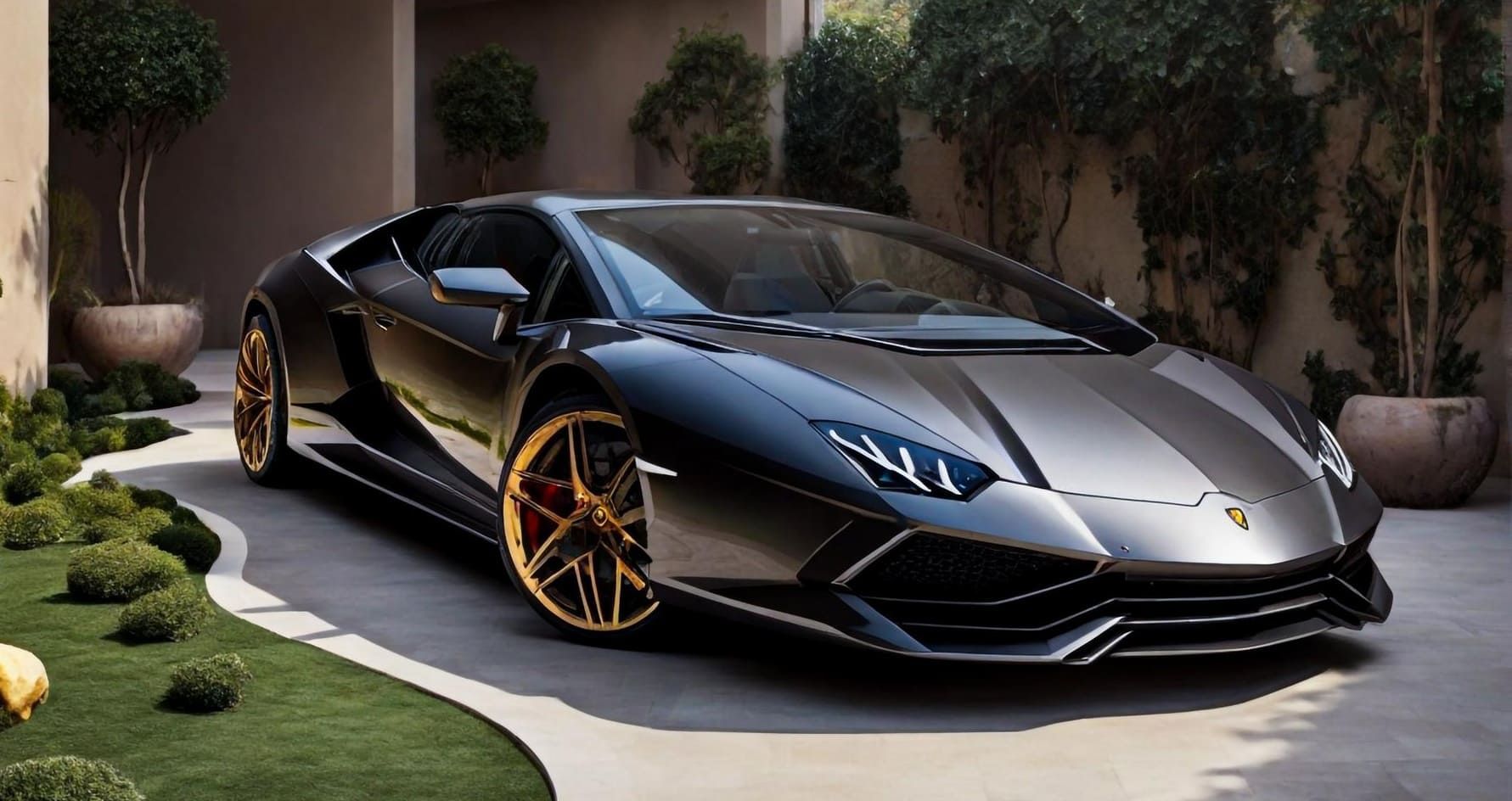
A complete PPF wrap covering every painted panel front to rear — hood, roof, trunk, all doors, all fenders, front and rear bumpers, rockers, mirrors, and A-pillars — is the most comprehensive protection available and the most time-intensive installation. Full body wraps on standard sedans and SUVs typically take two to three days. On exotic vehicles, complex luxury SUVs, or vehicles with intricate body designs that require more precise fitting and hand work, the timeline can extend to three to five days. This is a significant time commitment that requires planning, but for owners of new luxury vehicles, exotics, or any car being kept long-term, the result justifies the investment.
| Coverage Package | Typical Installation Time |
|---|---|
| Spot / Single Panel | 1–3 hours |
| Partial Front (hood strip, bumper, mirrors) | 2–4 hours |
| Full Front (full hood, fenders, bumper, mirrors) | 4–6 hours (full day) |
| Track Pack / Extended Front | 1–2 days |
| Full Body Wrap | 2–5 days depending on vehicle complexity |
What Happens During a PPF Installation?
Understanding what professional installers are actually doing during a PPF job helps explain why quality work takes the time it does. The process involves several distinct stages, each of which matters to the final result.
Surface Decontamination and Preparation
Before any film touches the paint, the vehicle's surfaces need to be thoroughly cleaned and decontaminated. This means washing, clay bar treatment to remove embedded contaminants, and inspection of the paint surface for any existing scratches, chips, or swirl marks. Paint in poor condition should be corrected before PPF installation — applying film over existing scratches seals them in permanently. This prep work takes time but is what ensures the film bonds cleanly, lays flat, and looks right after installation.
If the vehicle has existing paint defects that need correction, a paint correction step is added before the PPF work begins — which adds additional time. This is worth discussing during the estimate process so the full timeline can be planned accurately.
Film Cutting and Pattern Matching
Professionally prepared PPF uses computer-plotted templates specific to the vehicle's year, make, and model, which are cut from the film roll precisely before application. This eliminates hand-cutting on the vehicle's surface, which reduces the risk of paint damage and produces cleaner, more consistent edges. The cutting step adds preparation time but is essential for accurate fit.
Application, Positioning, and Squeegee Work
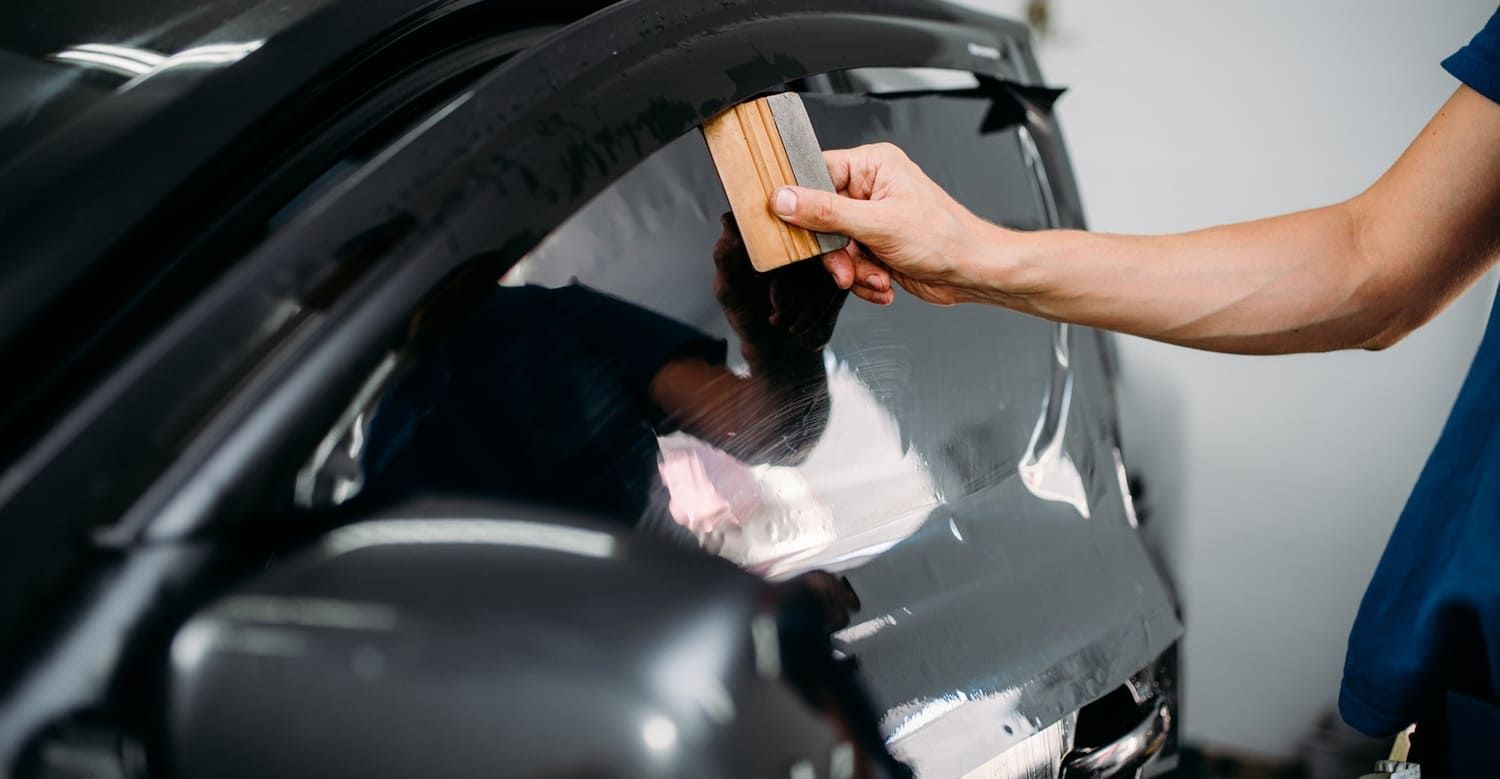
The film is applied using a slip solution that allows repositioning, then carefully worked with squeegees to remove moisture and air bubbles and achieve full adhesion. On curved or complex panels, heat guns are used to make the film conform to contours — particularly important at bumper corners, fender edges, and areas with compound curves. This is the most skill-intensive stage and the one where rushing produces visible defects.
Edge Tucking and Finishing
Edges must be wrapped under panel gaps, tucked into door jambs, or heat-finished to lay flat and seal properly. This step determines whether the film looks factory-installed or has visible edges that catch the eye and can eventually lift. Quality edge work takes time and is where less experienced installers most often produce inferior results.

Cure Time After PPF Installation: What You Need to Know
Installation time is only part of the timeline question. After the film is applied, it needs adequate time to cure — meaning the adhesive fully bonds to the paint and the film settles into its final position. During the cure period, the film is vulnerable to certain types of damage that it would resist easily once fully cured.
The typical cure period for PPF is 24 to 48 hours before the vehicle should be exposed to rain, car washing, or direct water spray. During this window, the film's adhesive layer is still completing its bond with the paint surface, and premature water exposure can cause the film to lift at edges or develop water spots beneath it.
Avoid automatic car washes with brushes for a longer period — typically one to two weeks after installation — as the brushes can disturb film edges before the adhesive has fully hardened. After the full cure period, standard washing with mild soap and water is fine. The film's self-healing properties remain active throughout its life, and minor scratches from washing or light abrasion will disappear with heat exposure from sunlight.
For Greenville-area drivers planning their appointment, it's worth coordinating the installation date with upcoming weather and car wash schedules. Booking for a period of dry, mild weather — not uncommon in Upstate South Carolina's shoulder seasons — is the easiest way to give the film a clean cure window without thinking about it.
What Affects Installation Time Beyond Package Size?
Several factors beyond coverage area can extend or reduce installation time, and they're worth understanding when scheduling.
Vehicle complexity is the most significant variable. Vehicles with highly sculpted body lines, integrated spoilers, complex bumper geometries, recessed door handles, or unusual panel transitions require more precise hand work and heat forming to achieve seamless results. A straightforward sedan hood takes less time than the same-size hood on a truck with integrated vents and complex contours.
Paint condition at drop-off matters. Vehicles arriving clean, decontaminated, and with paint in good condition can move directly to installation. Vehicles that need clay bar treatment, light correction, or removal of existing protection products add time before the PPF work can begin.
Previous film removal adds time when a vehicle already has PPF that needs to come off before new film can be applied. Old film in good condition often removes cleanly, but aged or degraded film can require more work and adds a meaningful portion of time to the overall appointment.
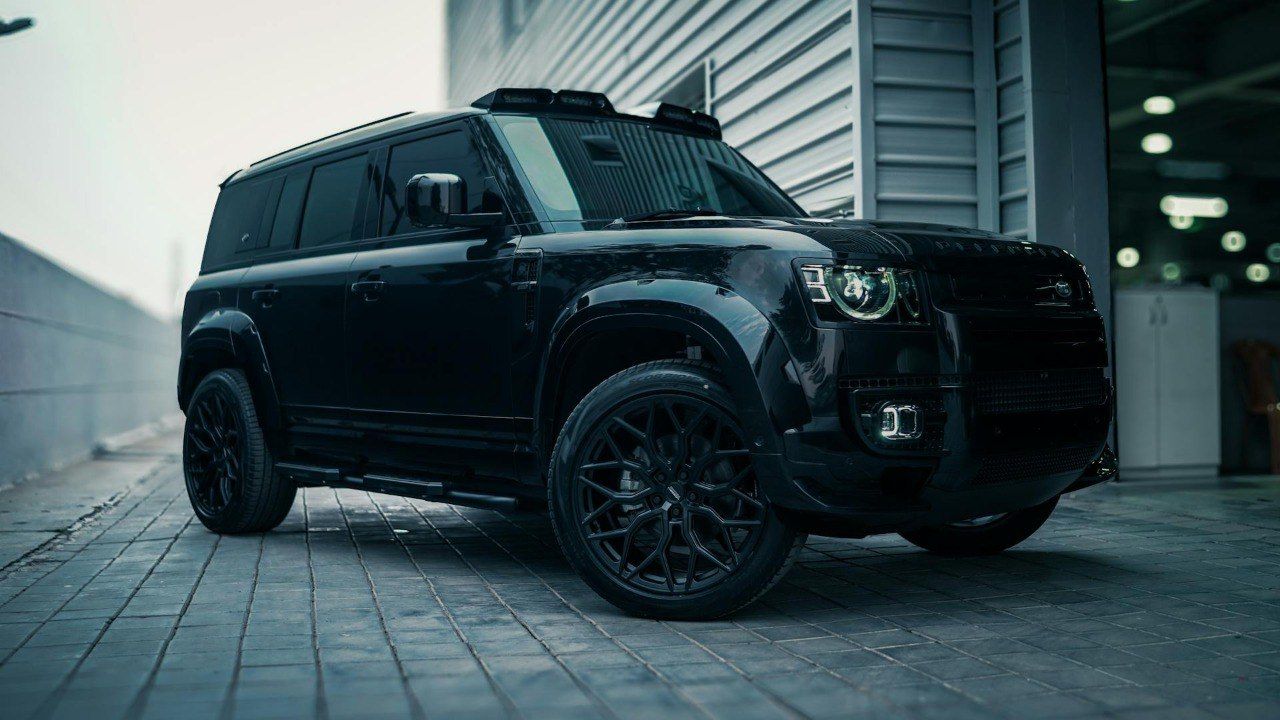
Vehicle type — car versus truck versus SUV — affects time primarily through panel size and number. Trucks and large SUVs have more surface area, longer rocker panels, and often more complex grille and bumper designs that take longer to wrap precisely.
Frequently Asked Questions
How long does a full front PPF installation take at Masters Car Stereo & Tint?
A full front package covering the complete hood, full front fenders, full front bumper, and mirrors typically takes a full day — generally in the range of four to six hours depending on the vehicle's size and panel complexity. Masters Car Stereo & Tint schedules these as drop-off appointments. Call (864) 271-6890 or request a free estimate online to schedule.
Can I wait at the shop while PPF is installed?
For short spot or partial front applications that take two to four hours, waiting at the shop is practical for many customers. For full front packages and larger, a drop-off arrangement is more comfortable and gives the installation team the uninterrupted time needed for a quality result. Masters Car Stereo & Tint is located on South Pleasantburg Drive in Greenville, with easy access to dining and retail options nearby while your vehicle is being worked on.
How long after PPF installation can I drive my car?
The vehicle can typically be driven immediately after installation, as the film is not so freshly applied that normal driving causes issues. The key restriction is avoiding water exposure — rain, washing, or direct spray — for 24 to 48 hours after installation to allow the adhesive to cure. Avoid brush-type automatic car washes for one to two weeks.
How long before I can wash my car after PPF?
Hand washing with mild soap and water is generally fine after 48 hours. Touchless car washes are acceptable after the full cure period. Brush-type automatic washes should be avoided for one to two weeks after installation.
Does PPF need to be removed before new PPF can be applied?
Yes. Existing PPF must be removed before new film is applied. Most professionally installed film in good condition removes cleanly without damaging the paint. Removal adds time to the appointment and should be discussed when scheduling so the full timeline can be planned.
What if I want paint correction before my PPF installation?
Paint correction should be done before PPF is applied — film applied over existing scratches or swirl marks seals those defects in permanently. If your vehicle has paint imperfections you want addressed, booking paint correction as a first step and scheduling PPF installation afterward is the right sequence. Discuss this with Masters Car Stereo & Tint during your estimate so the work can be planned and priced together.
The Bottom Line for Greenville and Upstate South Carolina Drivers
PPF installation time is directly proportional to coverage scope — a quick spot job takes a few hours, a full front takes a full day, and a complete body wrap takes several days. All of it requires precision surface prep, computer-cut patterns, skilled application, and careful edge work to produce the virtually invisible, self-healing result that makes the investment worthwhile. Plan for the time the job actually needs, allow 24 to 48 hours of cure time before water exposure, and the film that goes on your vehicle will defend it against road rash, UV damage, and the everyday hazards of Upstate South Carolina roads for years.
Masters Car Stereo & Tint has served Greenville and the Easley area for over 50 years as Upstate South Carolina's premier car electronics, audio, and window tinting company, and is a BBB-accredited LLumar SelectPro Film Dealer. Call (864) 271-6890 or request a free paint protection film estimate online — and Drive Away Happy.