Can PPF Be Installed on Bumpers and Mirrors Only? A Guide for Greenville, SC Drivers
Yes, paint protection film (PPF) can be installed on just your vehicle's bumpers and side mirrors without covering the entire car. This targeted approach, commonly called partial PPF installation, protects high-impact areas from rock chips, road debris, scratches, and everyday wear while keeping costs lower than full-vehicle coverage.
For drivers in Greenville, Easley, and surrounding Upstate South Carolina communities, partial paint protection film can be a practical investment. Whether you're commuting along I-85, driving through downtown Greenville, or taking weekend trips across the region, your vehicle's front bumper and side mirrors are constantly exposed to road hazards.
At Masters Car Stereo & Tint in Greenville, SC, we specialize in professional paint protection film installation using premium LLumar self-healing PPF. Our custom-cut films help protect vulnerable painted surfaces while preserving your vehicle's original appearance.
In this guide, we'll explain whether bumper-only and mirror-only PPF installations are worthwhile, how much protection they provide, how they compare with full-front coverage, and what to expect from professional installation.
What Is Partial Paint Protection Film, and How Does It Work?
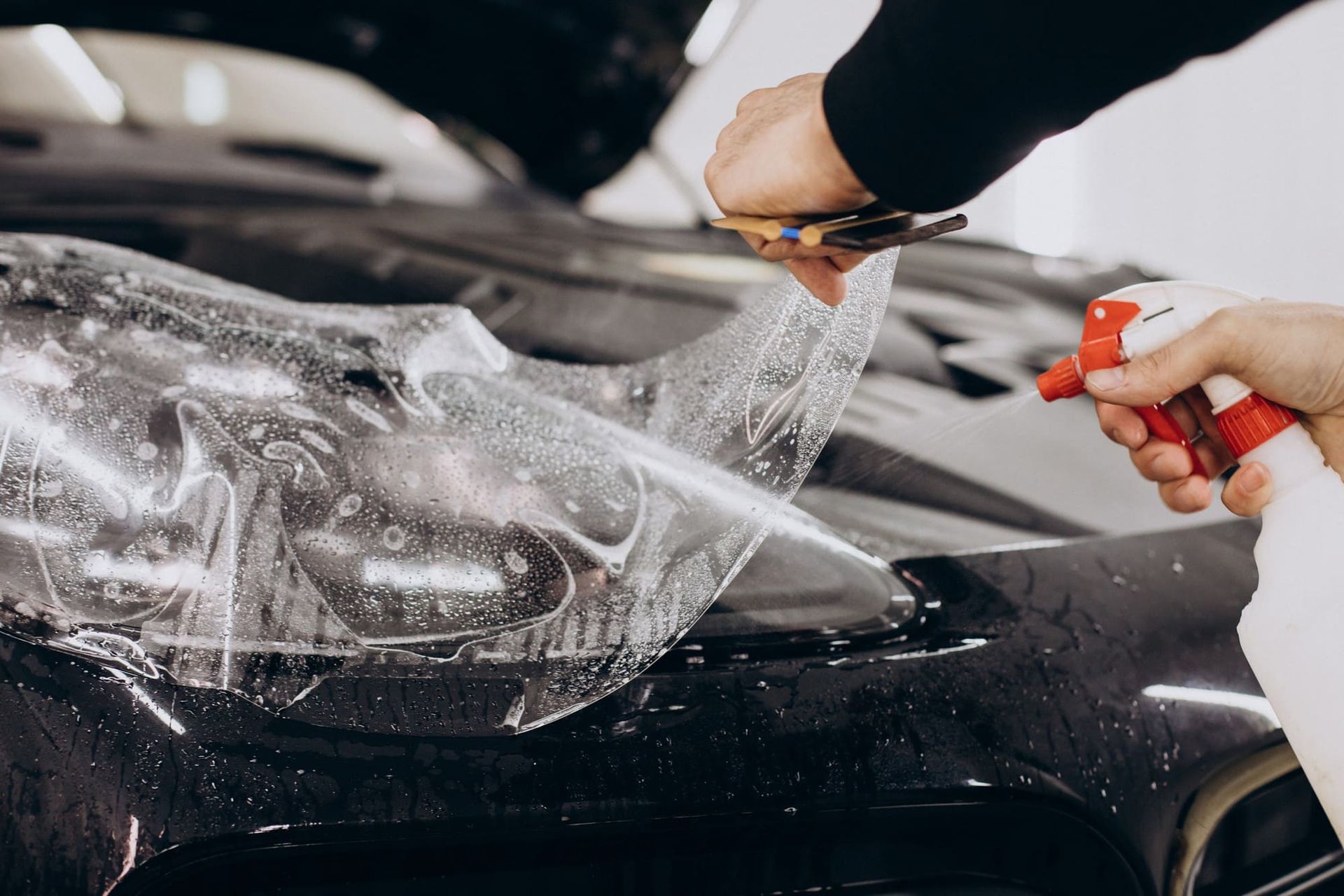
Partial paint protection film involves applying a transparent protective layer to selected exterior panels instead of wrapping the entire vehicle.
PPF, also called clear bra, is typically manufactured from durable thermoplastic polyurethane. This flexible material creates a physical barrier between your vehicle's painted surfaces and everyday road hazards.
Unlike ceramic coatings or traditional wax, paint protection film is designed to absorb some of the impact from small stones, gravel, and abrasive debris.
Which Vehicle Parts Can Be Protected With PPF?
Professional installers can apply paint protection film to individual vehicle components, including:
- Front bumpers and painted rear bumpers
- Side-view mirror housings
- Hood and front fenders
- Door edges and recessed door handles
- Rocker panels and lower body sections
- Other painted areas vulnerable to everyday damage
Masters Car Stereo & Tint offers custom-cut PPF for these vulnerable surfaces, allowing customers to choose protection based on their driving habits, vehicle type, and budget.
You don't necessarily need to purchase a complete vehicle protection package to benefit from premium automotive paint protection film.
Why Are Front Bumpers and Side Mirrors Especially Vulnerable?
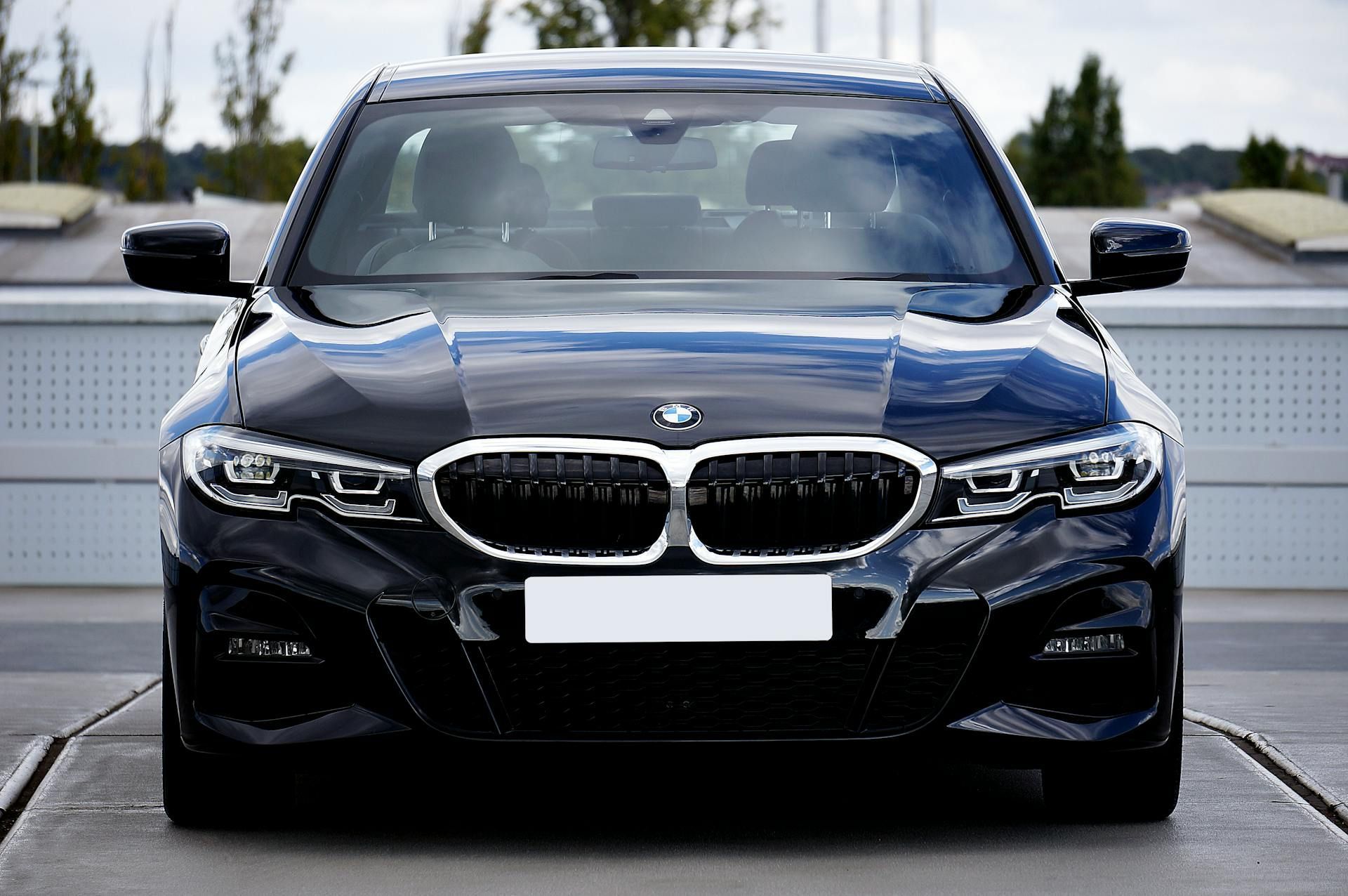
Your vehicle's front bumper and side mirrors are positioned where airborne debris, gravel, insects, and environmental contaminants frequently make contact.
The front bumper faces incoming road hazards directly, while side mirrors protrude from the vehicle and can encounter debris, branches, and accidental contact in tight spaces.
What Causes Paint Damage on Front Bumpers?
Front bumpers commonly experience damage from:
- Small rocks kicked up by other vehicles
- Loose gravel on highways and construction routes
- Road sand and abrasive particles
- Insect residue and environmental contaminants
- Minor scratches during washing or parking
Modern painted bumpers often feature complex curves, air intakes, and decorative details that make refinishing more involved than repairing a simple flat panel.
Once paint becomes chipped, exposed areas may deteriorate further depending on the underlying material and environmental conditions.
Why Should Side Mirrors Receive PPF Protection?
Side mirrors may be small, but replacing or repainting their housings can be expensive, particularly on vehicles equipped with cameras, turn signals, heating elements, and blind-spot monitoring technology.
PPF helps protect painted mirror covers from minor abrasions and road debris.
However, it cannot prevent damage from a major collision or guarantee that a mirror housing will survive a significant impact.
For Greenville drivers who regularly travel on busy highways or park in crowded areas, targeted bumper and mirror protection can address two commonly exposed vehicle components.
Is It Worth Installing PPF on Bumpers and Mirrors Only?
For many drivers, the answer is yes.
Bumper-and-mirror PPF offers a balance between protection and affordability. It concentrates your investment on areas exposed to frequent impacts rather than covering panels that may face less direct debris.
Benefits of Targeted PPF Installation
1. Lower upfront investment
Protecting selected panels generally requires less film and installation labor than covering the entire vehicle.
2. Protection against everyday road hazards
High-quality PPF helps reduce damage from small rocks, road grit, and minor surface abrasions.
3. Preservation of original paint
Keeping factory paint in good condition can support your vehicle's appearance and may help preserve its resale appeal.
4. Virtually invisible coverage
Premium clear paint protection film is designed to maintain the vehicle's original color and finish without introducing an obvious visual change.
5. Flexible future upgrades
Drivers can begin with bumpers and mirrors, then add protection to the hood, fenders, or other panels later.
Partial PPF is especially appealing to owners who want practical protection without committing to full-body coverage.
However, the best option depends on how and where you drive.
Partial PPF vs. Full-Front PPF vs. Full-Body PPF
Understanding different coverage levels helps Greenville vehicle owners choose the most appropriate protection.
| Feature | Bumper and mirror PPF | Full-front PPF | Full-body PPF |
|---|---|---|---|
| Front bumper protection | Yes | Yes | Yes |
| Side mirror protection | Yes | Usually | Yes |
| Hood protection | No | Yes | Yes |
| Front fender protection | No | Yes | Yes |
| Rear body protection | No | No | Yes |
| Relative cost | Lower | Moderate | Highest |
| Best suited for | Targeted protection | Highway commuters | Maximum paint coverage |
When Is Bumper-and-Mirror PPF the Best Choice?
Targeted protection may be ideal when you:
- Primarily drive around Greenville or Easley.
- Want to protect the most exposed areas first.
- Have a limited vehicle protection budget.
- Own a daily driver rather than a collectible vehicle.
- Prefer an upgradeable paint protection strategy.
When Should You Consider Full-Front PPF Instead?
Full-front protection may be more appropriate for frequent highway commuters.
It typically covers the front bumper, hood, front fenders, and mirror housings.
Drivers regularly traveling along I-85, I-385, or other high-speed roads may benefit from this broader coverage because debris can strike the hood and fenders as well as the bumper.
For owners of luxury vehicles, sports cars, or vehicles with expensive factory finishes, additional coverage may offer greater peace of mind.
What Makes LLumar Self-Healing Paint Protection Film Different?
Not all paint protection films provide the same durability, clarity, or resistance to environmental damage.
Masters Car Stereo & Tint offers LLumar self-healing paint protection film, designed to protect automotive finishes while maintaining a high-gloss, virtually invisible appearance.
How Does Self-Healing PPF Work?
Self-healing PPF features a specialized topcoat that can recover from certain light surface scratches when exposed to sufficient warmth.
This technology helps minimize the appearance of minor swirl marks and superficial abrasions.
Key advantages include:
- Self-healing technology: Helps reduce the appearance of light scratches.
- Optical clarity: Preserves the appearance of factory paint.
- Stain resistance: Helps resist common environmental contaminants.
- Flexible construction: Conforms to curved bumpers and mirror housings.
- Durability: Provides a protective barrier against everyday road debris.
Self-healing does not mean the film is indestructible. Deep cuts, severe impacts, and damage penetrating the film may still require replacement.
For drivers researching LLumar PPF installation in Greenville, SC, understanding these capabilities helps establish realistic expectations.
How Is PPF Installed on Bumpers and Mirrors?
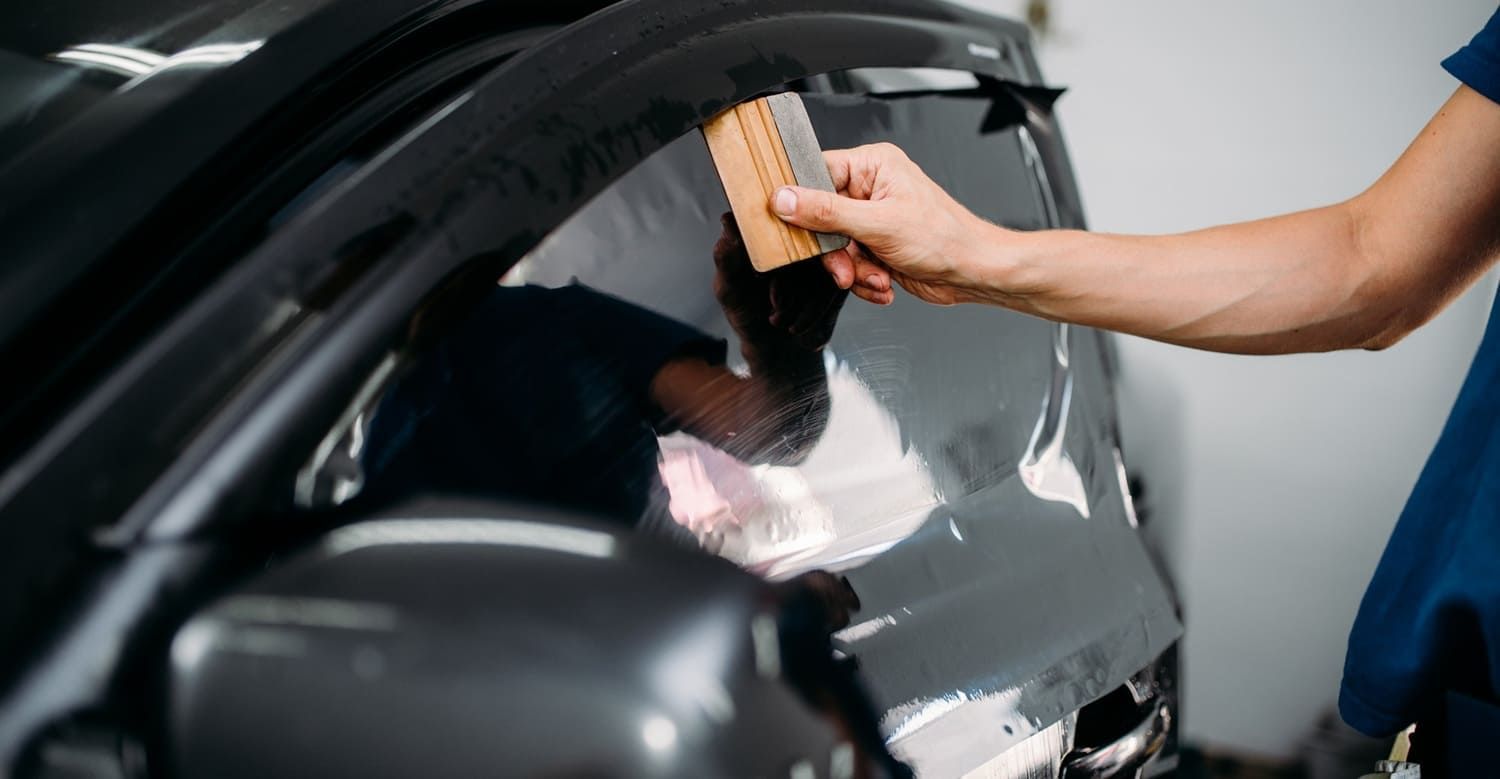
Professional paint protection film installation requires careful preparation, accurate cutting, and precise application.
Bumpers and mirrors are particularly challenging because their curved surfaces require the film to conform without excessive stretching, visible wrinkles, or lifting edges.
Step 1: Inspect and Prepare the Painted Surfaces
Before installation, the technician examines the vehicle's paint for existing chips, scratches, contamination, or previous repairs.
The surfaces are then thoroughly cleaned to remove dirt, oils, and other particles that could become trapped beneath the film.
Existing paint defects should be addressed before installation when appropriate, since transparent PPF does not automatically conceal imperfections.
Step 2: Create Custom-Fit Film Patterns
Masters Car Stereo & Tint uses custom-cut paint protection film designed to match specific vehicle components.
Accurate patterns help accommodate bumper contours, mirror shapes, sensors, and other design features.
Professional cutting also helps reduce unnecessary trimming directly against painted surfaces.
Step 3: Apply and Position the Film
Technicians typically use an installation solution that allows the film to be positioned correctly before the adhesive sets.
The installer carefully aligns the material, works it around curves, and removes excess installation solution using specialized tools.
Step 4: Inspect Edges and Allow Proper Curing
After application, the technician checks alignment, coverage, and edge adhesion.
The film requires time to settle and cure. Temporary moisture patterns or slight haziness may be visible immediately after installation.
Curing time depends on film specifications, temperature, humidity, and installation conditions.
Customers should follow the installer's instructions before washing or applying pressure near film edges.
How Much Does Bumper and Mirror PPF Cost in Greenville, SC?
The cost of partial PPF installation depends on the vehicle and the complexity of the selected panels.
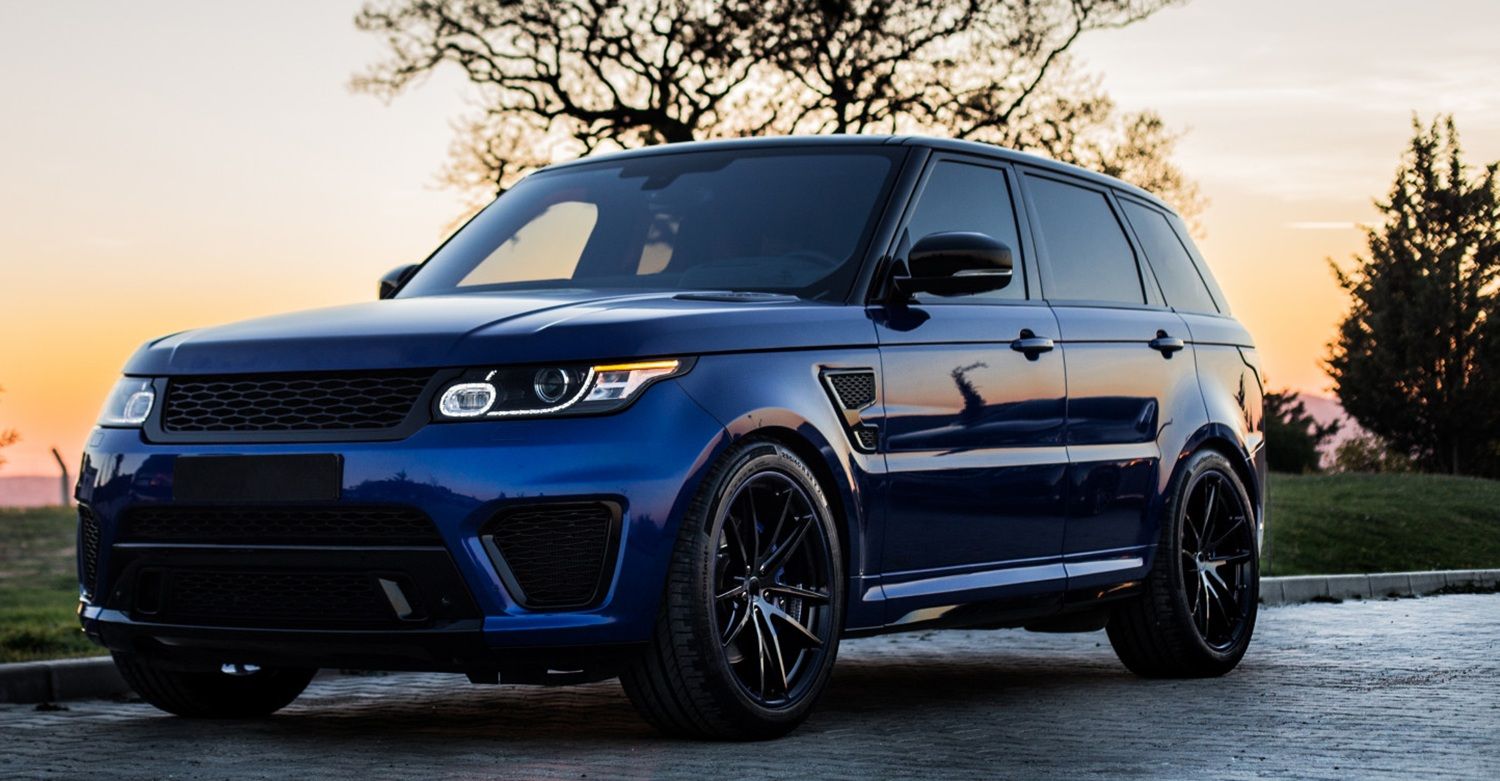
A compact sedan with a relatively simple bumper may require less labor than a luxury SUV with intricate vents, sensors, and aggressive body styling.
Factors influencing the final estimate include:
- Vehicle make, model, and year.
- Front bumper size and design complexity.
- Number and shape of mirror housings.
- Film brand and product specifications.
- Existing paint condition and preparation needs.
- Installation time and edge-finishing requirements.
Because each vehicle is different, a personalized estimate is more reliable than a universal price.
Masters Car Stereo & Tint offers free estimates for customers interested in automotive paint protection services.
Can You Add More PPF Later?
Yes. One advantage of partial paint protection film is the flexibility to expand coverage over time.
A driver might initially protect the front bumper and side mirrors, then add film to the hood, front fenders, or rocker panels.
This approach spreads the investment across multiple installations while addressing immediate protection priorities.
For the most consistent appearance, discuss future coverage plans with your installer. Film aging, product availability, and differences in surface exposure may affect how newly protected panels compare with existing ones.
Frequently Asked Questions About Bumper and Mirror PPF
Can I Install PPF on Just My Front Bumper?
Yes. Front bumper-only PPF is a common targeted protection option. It helps protect the bumper's painted surfaces against rock chips, road debris, and minor abrasions without requiring film on other vehicle panels.
Can PPF Be Applied to Side Mirrors Without Covering the Doors?
Yes. Paint protection film can be custom-cut for painted side mirror housings independently of the doors. The installation must accommodate the mirror's shape and avoid interfering with cameras, lights, or moving components.
Does PPF Protect Against Rock Chips?
Yes. Quality PPF helps absorb impacts from small rocks and debris, reducing the likelihood of paint chips. However, sufficiently large or high-speed impacts can still damage the film or underlying paint.
Will Partial PPF Look Different From the Rest of My Car?
High-quality clear PPF is designed to be nearly invisible on compatible painted surfaces. Proper installation minimizes noticeable edges, although some seams may remain visible on complex bumper designs.
How Long Does Paint Protection Film Last?
Premium professionally installed PPF can last several years, often approximately five to ten years depending on the product, environmental exposure, maintenance, and warranty terms. Individual results vary.
Can You Wash a Car With PPF Installed?
Yes. Once the film has cured, vehicles with PPF can generally be washed normally using film-compatible cleaning products. Avoid directing high-pressure water at exposed edges, and follow the manufacturer's maintenance instructions.
Is Partial PPF Better Than Ceramic Coating?
For preventing rock chips and physical abrasions, PPF generally provides stronger protection because it creates a physical barrier. Ceramic coatings primarily improve water repellency, cleaning convenience, and surface appearance.
Where Can I Get Partial PPF Installed Near Greenville, SC?
Masters Car Stereo & Tint provides professional automotive paint protection film installation at its Greenville location, serving customers from Easley and surrounding Upstate South Carolina communities.
Protect Your Vehicle's Most Vulnerable Areas With Masters Car Stereo & Tint
You don't have to cover your entire vehicle to benefit from professional paint protection film.
Installing PPF on just your front bumper and side mirrors can provide meaningful protection against everyday road hazards while keeping the project focused and affordable.
For Greenville and Easley drivers, this targeted approach is particularly useful for protecting high-impact painted surfaces during daily commutes and highway travel.
At Masters Car Stereo & Tint, we offer premium LLumar self-healing paint protection film with custom-cut installations tailored to your vehicle.
Whether you're considering bumper-only PPF, mirror protection, full-front coverage, or a more comprehensive package, our team can help you compare your options.
Visit us at 1253 S Pleasantburg Dr, Greenville, SC 29605, or call (864) 271-6890 to request a free estimate.
Explore our professional paint protection film services at https://www.masterscarstereo.com/auto-paint-protection-film-services.
Protect the paint you love, preserve your vehicle's appearance, and drive with greater confidence.